
Meccha Chameleon Review: A Fast, Clever Arcade Platformer Built for Replay
Meccha Chameleon is the sort of arcade platformer that grabs you by the sleeve, tosses you into a hazard-filled stage, and dares you to keep up. It looks simple at first glance, but that first impression fades fast once the game starts demanding instant reactions, sharp route planning, and a good memory for every obstacle in sight. As someone who has spent years chasing high scores and stubbornly replaying “easy-looking” games until they reveal their true teeth, I can say Meccha Chameleon is a smart, stylish little bruiser that earns its rhythm one jump at a time.
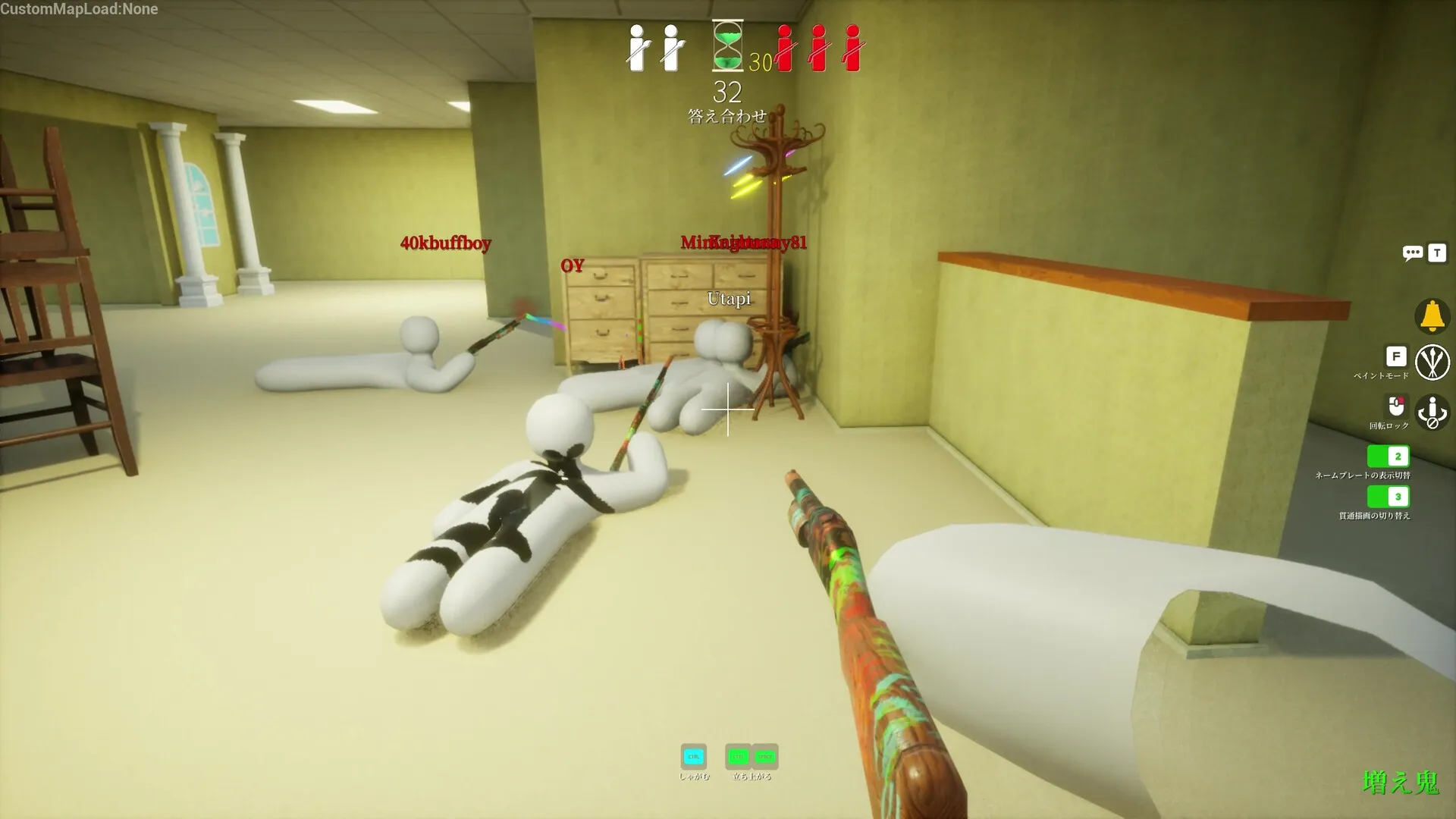
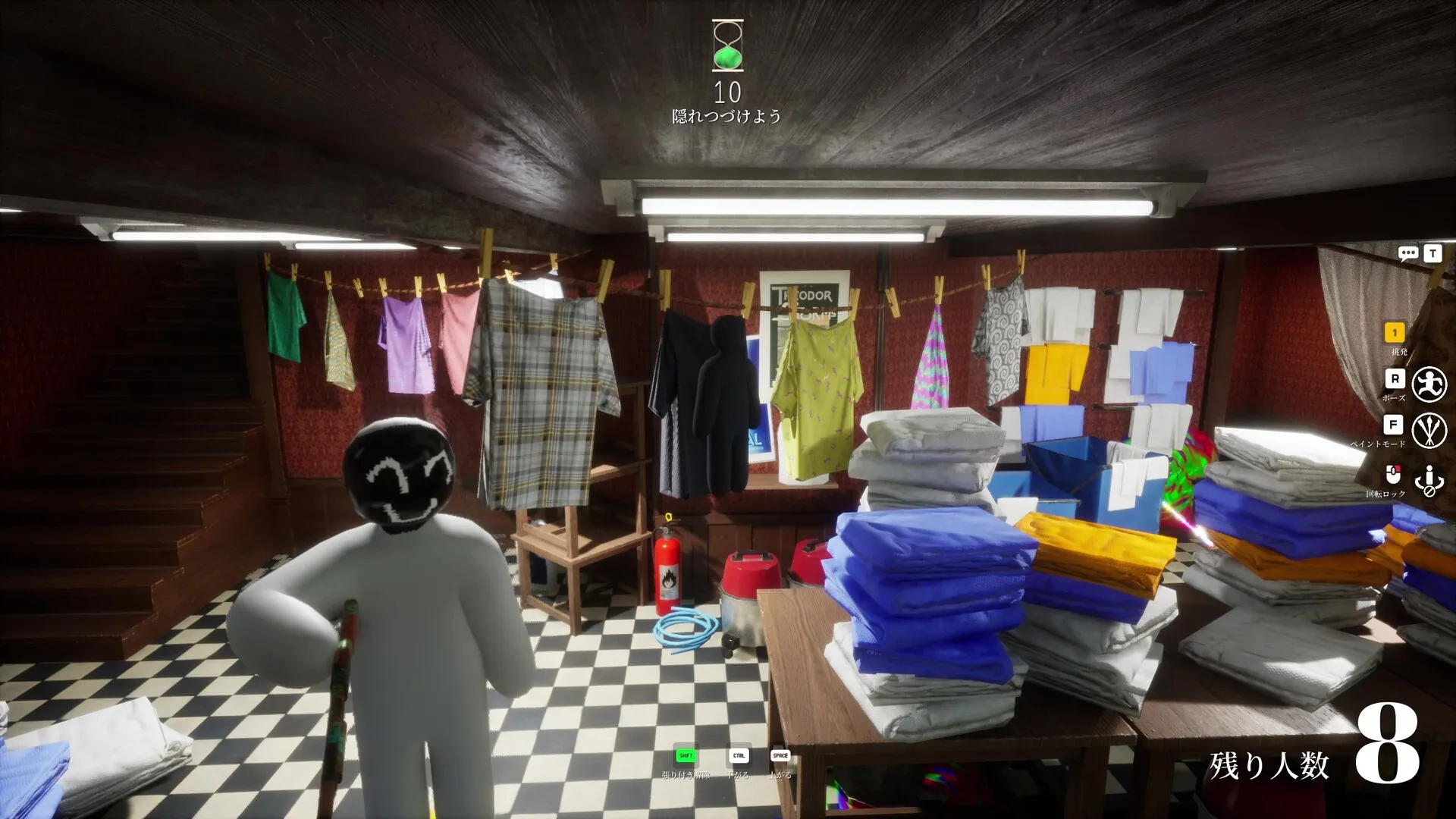
What makes it memorable is its core idea: you are constantly moving, constantly adapting, and constantly trying to survive the next weirdly placed hazard while your character’s transformation gimmick keeps the pace unpredictable. The game never lets you settle into a lazy groove. You learn to scan ahead, react quickly, and trust your muscle memory, but not too much. That tension is where the fun lives.
A fast, strange, and satisfying arcade loop
The main draw of Meccha Chameleon is how cleanly it commits to action. There is no wasted motion here. Every stage feels built to test your awareness rather than your patience, which is a big reason the game works so well. You are not just trying to reach the end; you are trying to do it elegantly, with as few mistakes as possible, while the game constantly introduces new spatial problems to solve. That is the sort of design that rewards replaying a stage over and over until your hands almost move before your brain catches up.
The movement feels crisp enough to support that pace. A game like this lives or dies on the feel of traversal, and Meccha Chameleon understands that. When you make a clean sequence of jumps or thread through a nasty section without hesitating, it feels excellent. On the other hand, one slipped input can send you back to reconsider your route, which can be frustrating, but it is usually fair frustration. The challenge is not random. The game wants precision, not luck.
The chameleon twist gives the game its identity
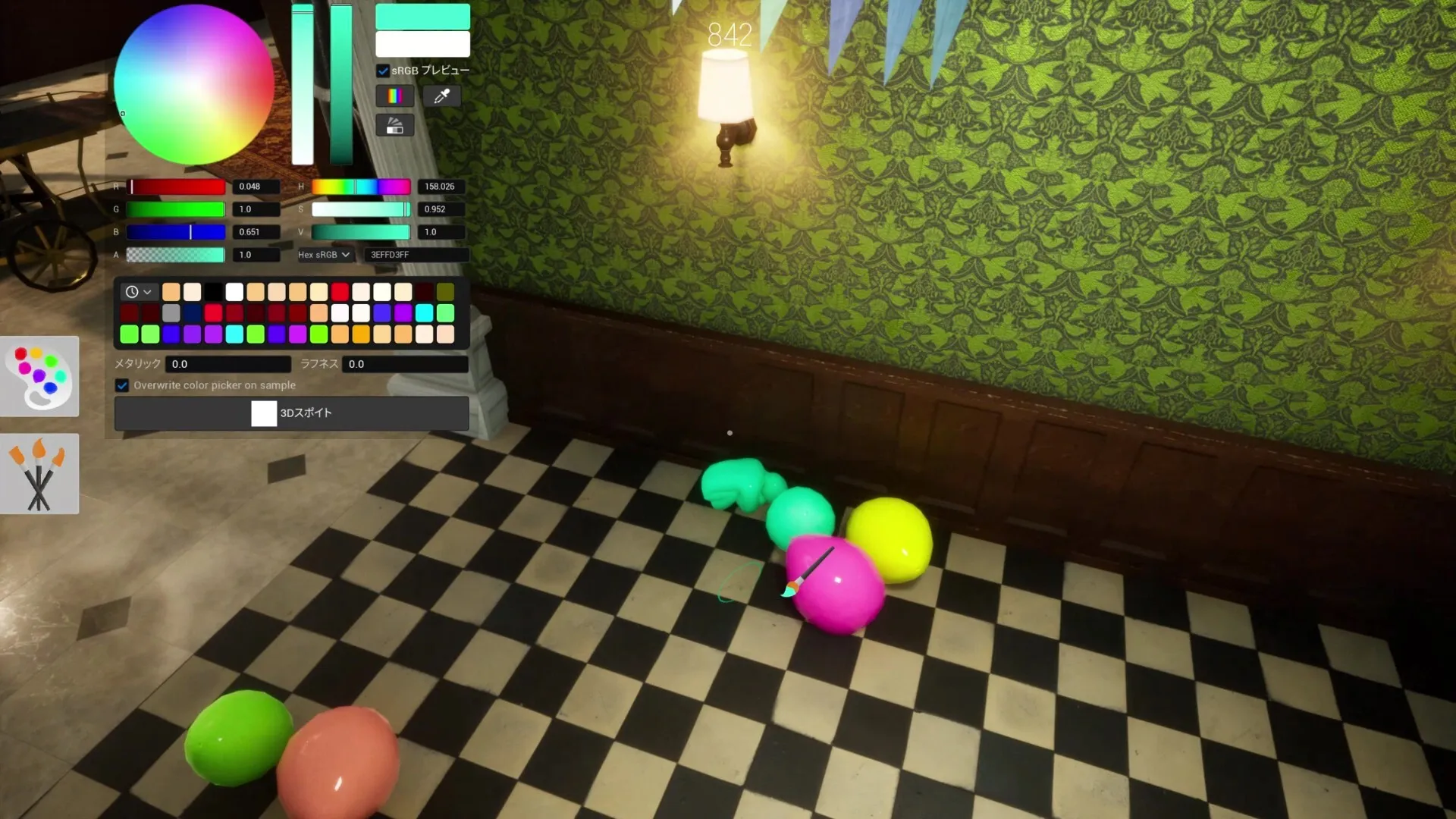
The transformation mechanic is what keeps Meccha Chameleon from becoming just another competent platformer. Instead of relying on one simple move set, the game keeps shifting expectations and making you think in terms of timing, environment, and form. That extra layer gives each stage a stronger personality because you are not only memorizing platform placement; you are also learning how your character adapts and what that means in practice.
It also creates a nice sense of escalation. Early sections may lull you into thinking you have the game figured out, then later areas start demanding tighter play and smarter use of mechanics. That slow ramp-up is good design. It gives new players space to learn while still giving experienced players enough pressure to stay engaged. I appreciate that balance. Too many modern platformers either over-explain or overcomplicate. Meccha Chameleon stays focused.
Presentation with personality, without drowning in spectacle
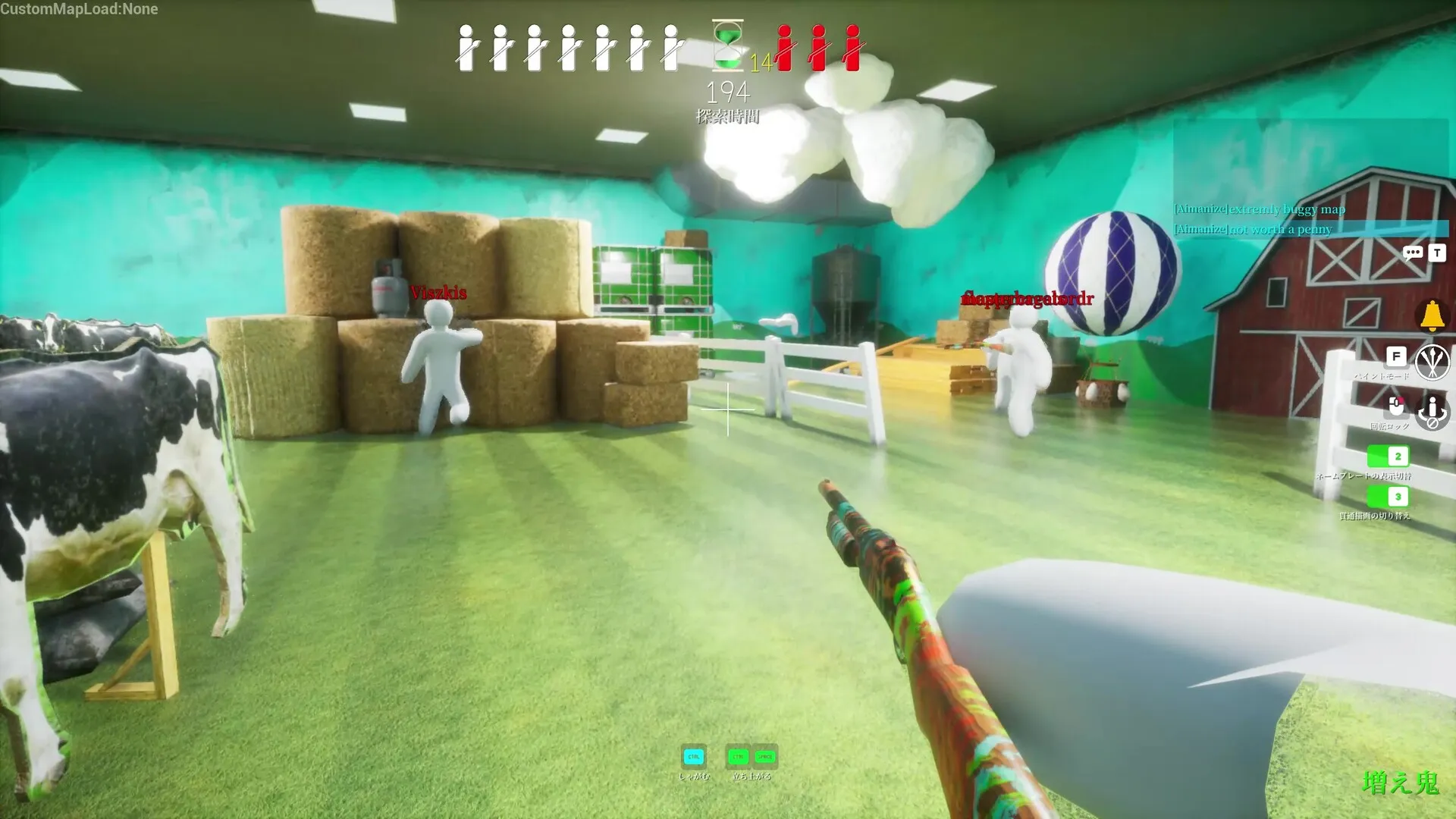
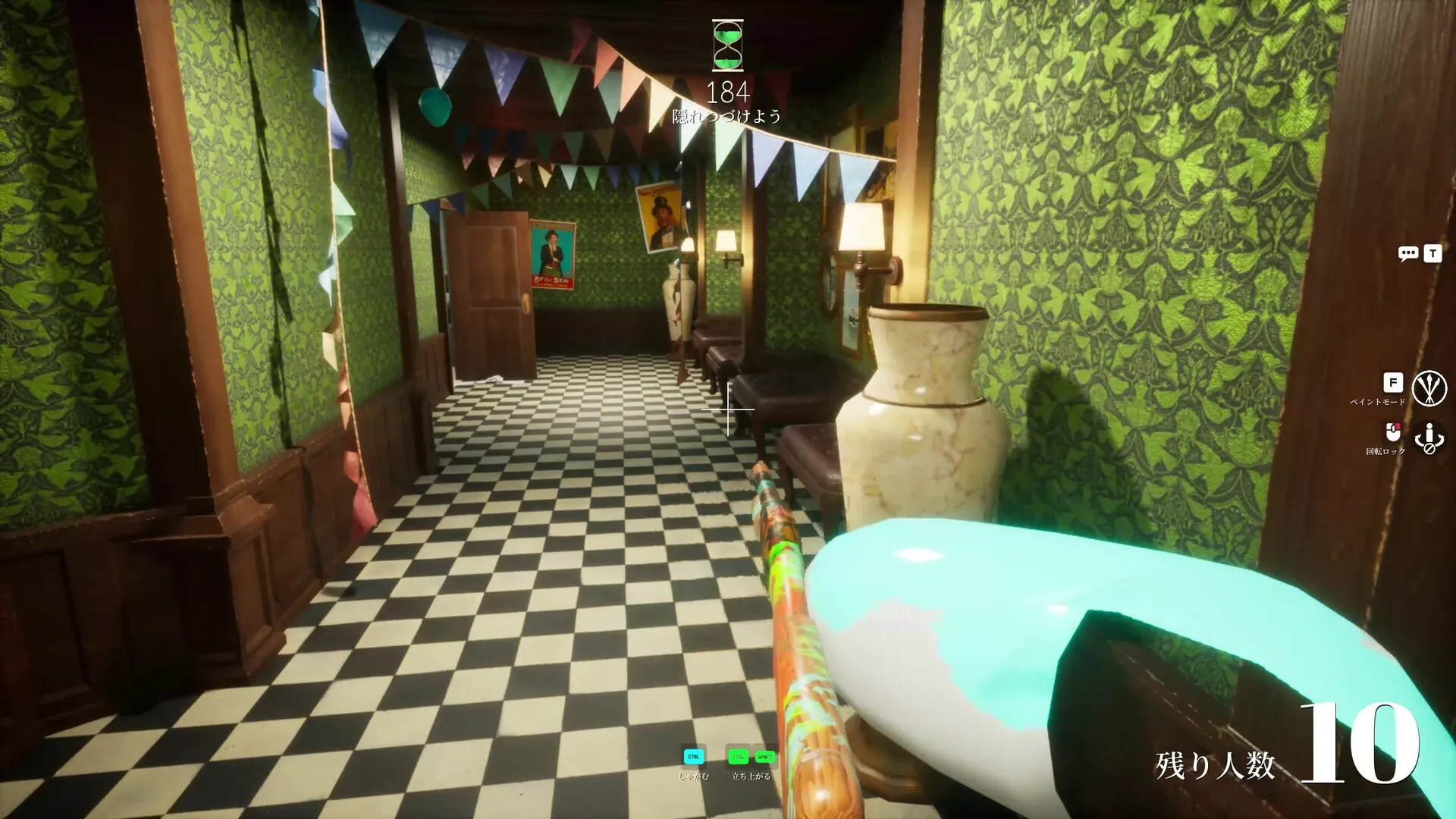
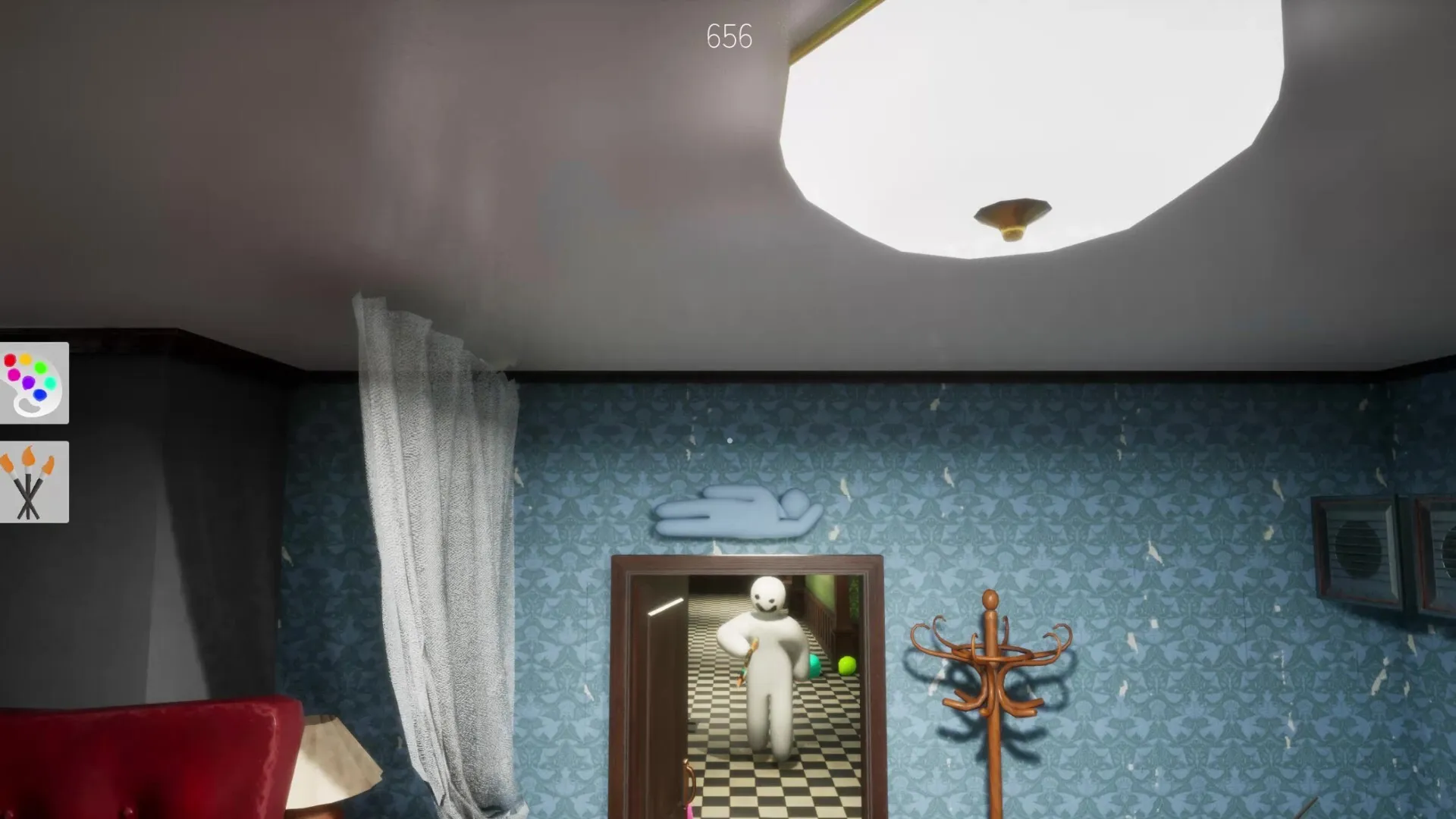
Visually, the game has a playful arcade energy that fits the mechanics well. It does not need hyperreal detail or cinematic flash to get the point across. The art direction is strong enough to make hazards readable, movement clear, and each area distinct at a glance. That matters more than raw technical showmanship in a game like this. If a stage can be understood instantly, then the player’s mistakes feel deserved rather than confusing.
The audio side supports that same philosophy. Sound cues are part of the language of the game, helping you anticipate danger and judge timing. Music adds urgency without becoming annoying, which is harder to pull off than people think. When I’m reviewing arcade-style games, I always listen for whether the soundtrack supports replayability or starts to grate after the fifth attempt at a section. Meccha Chameleon lands on the right side of that line.
Difficulty that respects your time, mostly
This is not a cozy stroll, and it is not trying to be. Meccha Chameleon expects focus. For players who enjoy action games that ask for repetition and improvement, that is part of the charm. For everyone else, the game may feel sharp-edged at first. The good news is that its difficulty tends to feel purposeful rather than cruel. Mistakes usually teach you something concrete: a safer line, a better tempo, a smarter use of space.
That said, the learning curve can be a little stern if you are coming in expecting a breezy platformer. The game is at its best when you accept its pace instead of fighting it. Once you do, the experience becomes rewarding in that classic arcade way where progress is measured in tiny improvements that add up to real mastery. It is the kind of game where “just one more run” turns into twenty.
Replay value, score chasing, and that old-school itch
Meccha Chameleon absolutely benefits from replay. In fact, replay is where it comes alive. Shorter stages, tight design, and a focus on execution make it ideal for players who like refining routes and shaving off silly mistakes. If you are the sort of gamer who enjoys improving your own record more than checking off a checklist, this game has the right kind of structure for that mindset.
This also makes the question of download appeal pretty easy to answer: if you want a game you can keep returning to in short bursts, Meccha Chameleon is built for that habit. It does not overstay its welcome with bloated systems. It gives you a challenge, then steps back and lets your skill do the rest. That restraint is refreshing.
Who should play it?
If you enjoy precision platformers, arcade reflex tests, or games with a clever gimmick that reshapes how you read a stage, Meccha Chameleon should be on your radar. It is especially good for players who like mastering a game through repetition rather than brute force. If, on the other hand, you prefer a relaxed pace or a heavy narrative focus, this may not be your first choice.
It also has a lot of appeal for retro-minded players who still care about tight controls and readable design. In that sense, Meccha Chameleon feels old-school in the best possible way. It knows exactly what it is doing and does not waste time pretending to be something else.
Final verdict
Meccha Chameleon is a sharp, energetic platformer with real character. Its strength lies not in sheer volume of content, but in how confidently it turns a simple premise into a memorable challenge. The movement is solid, the gimmick is meaningful, and the replay loop is strong enough to keep you returning after failed attempts. It is not always forgiving, but it is rarely unfair, and that distinction matters.
As an experienced gamer, I appreciate how cleanly it delivers on its arcade promise. It is the type of game that respects your skill, punishes carelessness, and rewards persistence with that rare feeling of improvement you can actually feel in your fingers. If you want a compact but demanding platformer with personality, Meccha Chameleon is an easy recommendation.
How to download Meccha Chameleon
Availability & Launch: Meccha Chameleon can be accessed through its official release channels and storefront listings, depending on region. Check the current store page to see whether it is free or part of a paid release. If a demo exists, that is usually the safest way to try before you download the full game.
Platforms: The game is available on supported platforms listed by the publisher or store page. If you are looking on PC, console, Android, or other devices, confirm the official platform support before you install. If a platform is not supported, cloud play or an emulator may be required, but only when legally permitted and only if you already own the game where applicable.
Install: To install, download the game from the official source, open the installer or store client, then follow the on-screen prompts. After installation, launch the game once to complete any first-time setup or updates.
System Requirements: For PC, expect modest minimum requirements typical of an indie platformer, with a basic modern CPU, 4 GB RAM, and integrated or low-end dedicated graphics usually enough. On Mac or Android, use the latest supported OS version and make sure you have enough storage for the install and patches.
Cheats / Mods: Cheats are generally not part of the standard experience, and mods depend on whether the developer allows them. If mods are supported, use only trusted sources and avoid anything that could break the game or violate platform rules.
Unblocked Access: Unblocked play at school or work is not guaranteed and may be restricted by network filters or device policies. If you want to play in limited environments, use only approved access methods and respect local rules.
Pros
- Crisp, responsive controls that support precise platforming
- Fast-paced arcade gameplay that keeps every stage engaging
- Unique chameleon transformation gimmick that adds variety to movement and timing
- Clear hazard readability, making mistakes feel fair and understandable
- Strong replay value for score chasing and route refinement
- Tight level design that rewards skill, memory, and improvement
- Compact experience that respects the player’s time without unnecessary filler
Cons
- Difficulty can feel punishing for players who prefer a relaxed platformer
- Some sections may require repeated trial and error before they feel manageable
- The game’s focus on reflexes and repetition may not appeal to players seeking deep narrative content

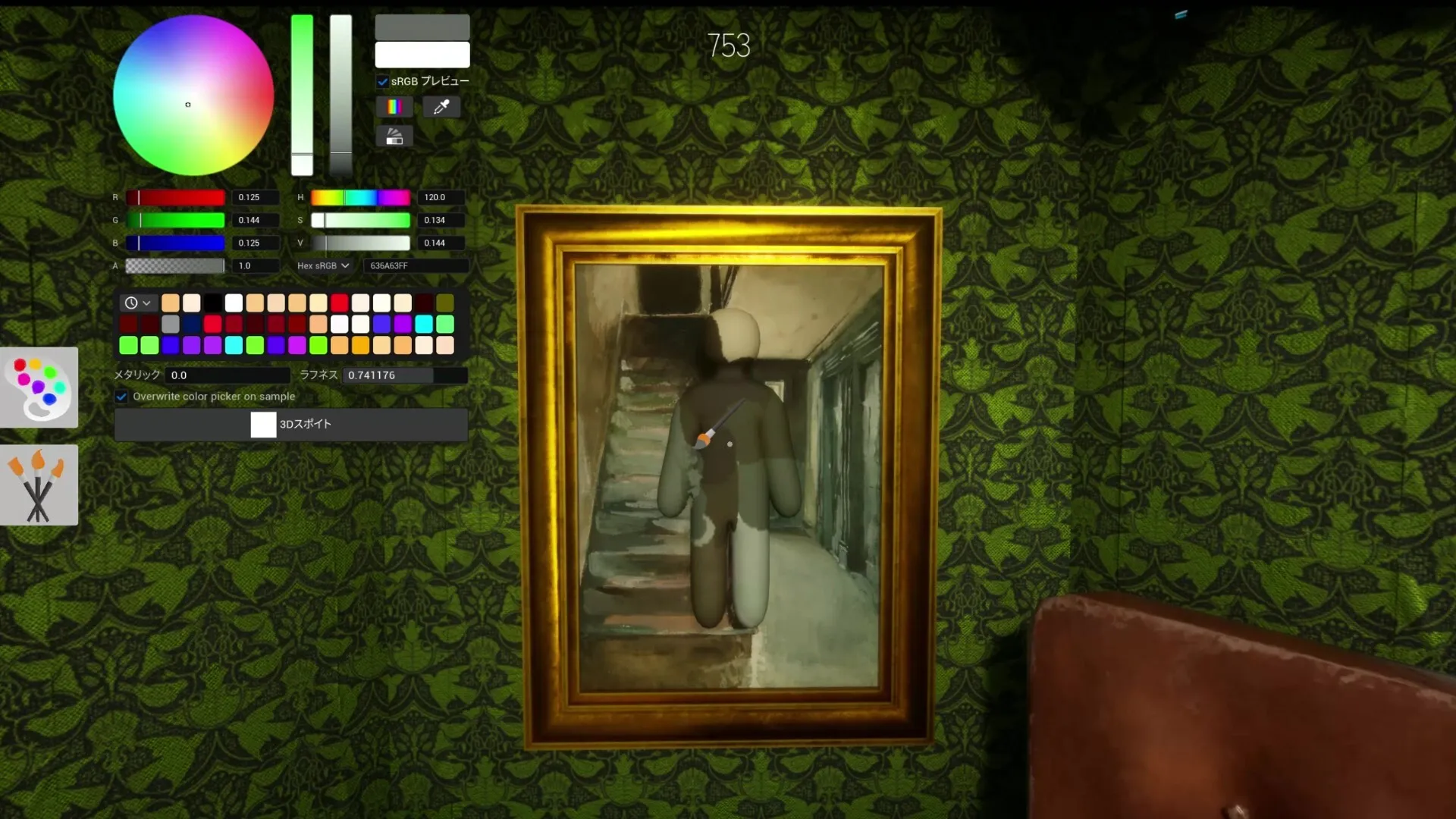
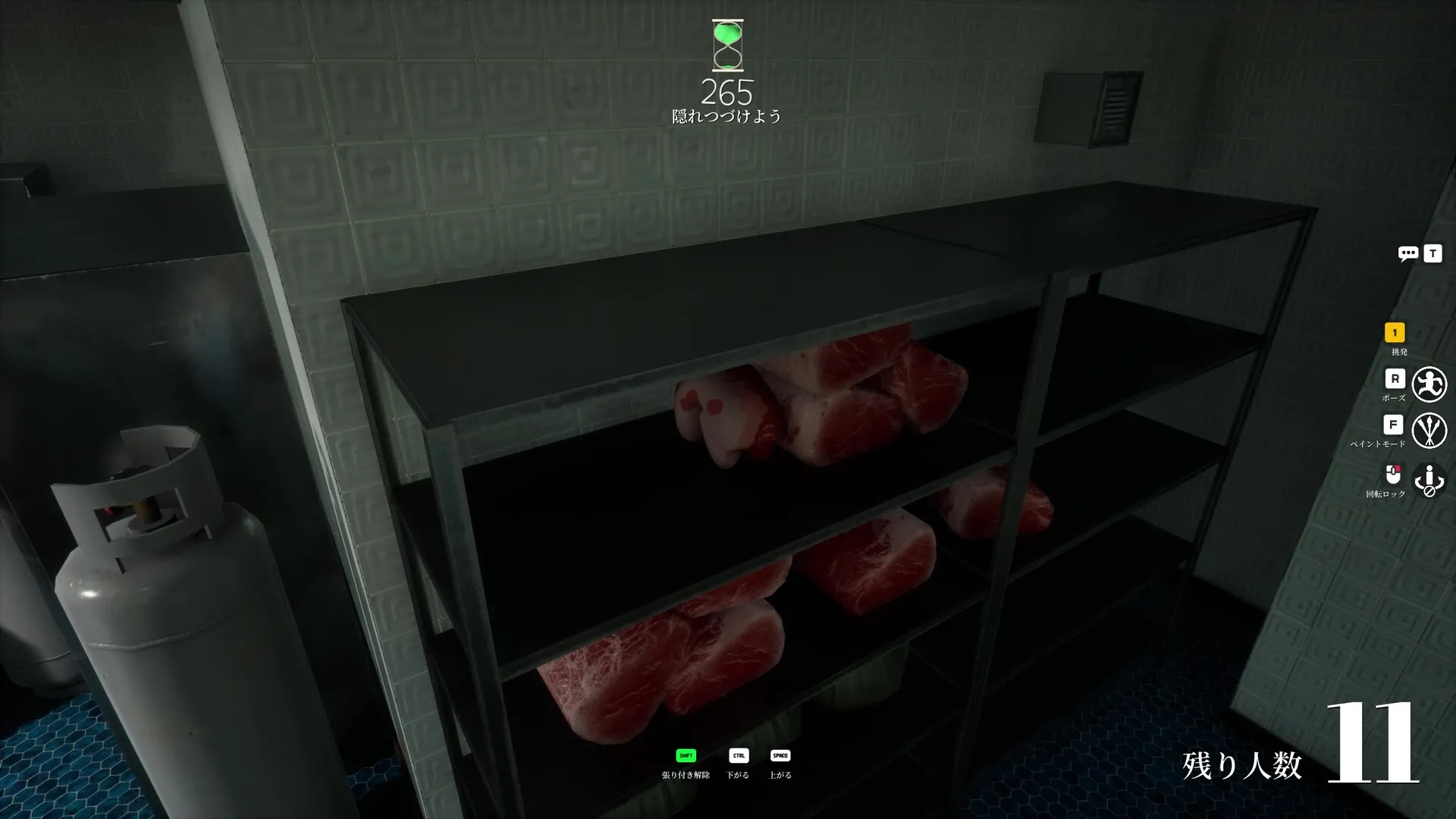
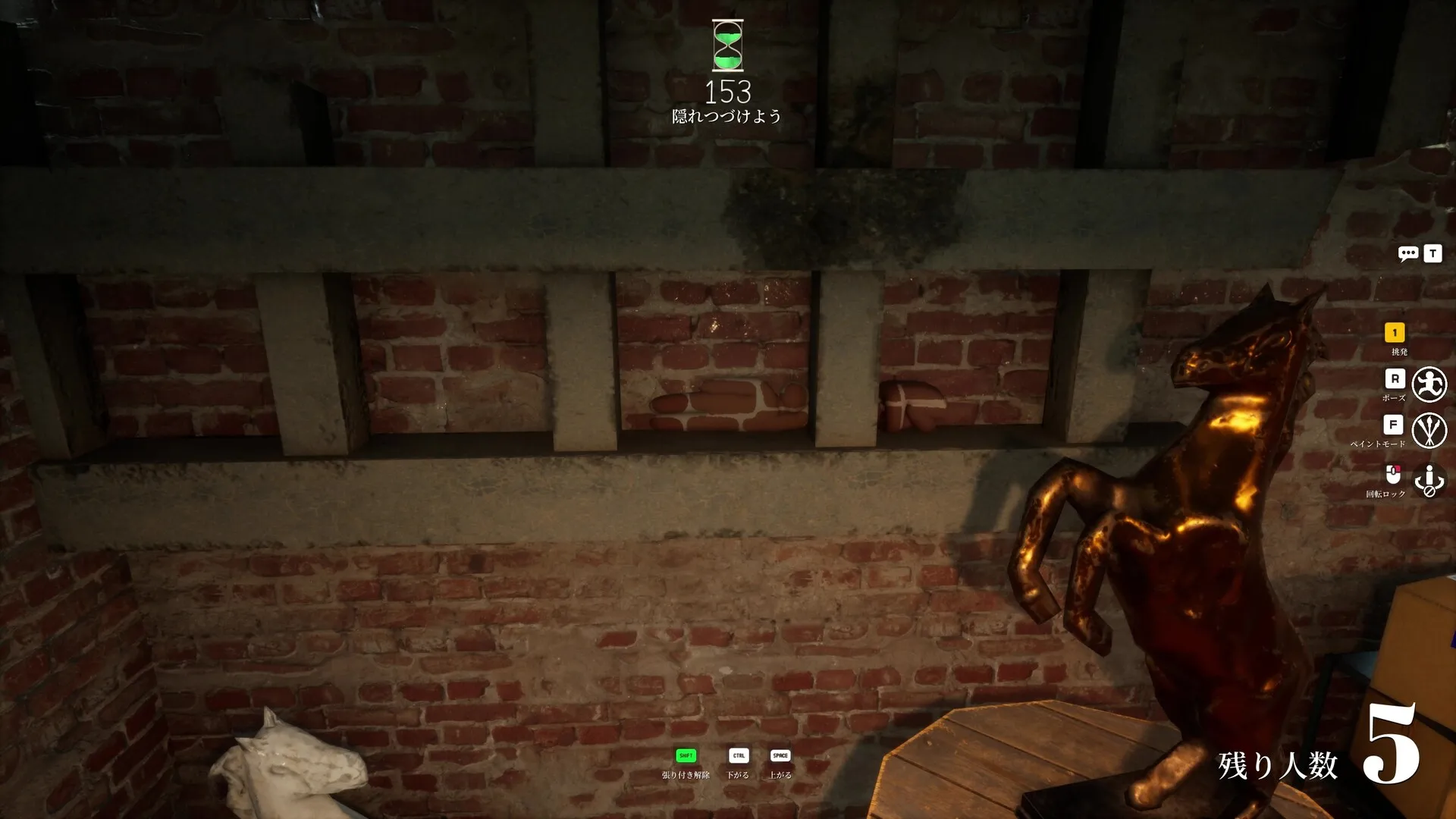
MECCHA CHAMELEON

New on Blog
-
- Kayla Cruz
- 23 Oct 2026

-
- Ryan Gutierrez
- 23 Oct 2026

-
- Ryan Gutierrez
- 09 Oct 2026

-
- Ryan Gutierrez
- 09 Oct 2026