- Kayla Cruz
- 09 Nov 2026
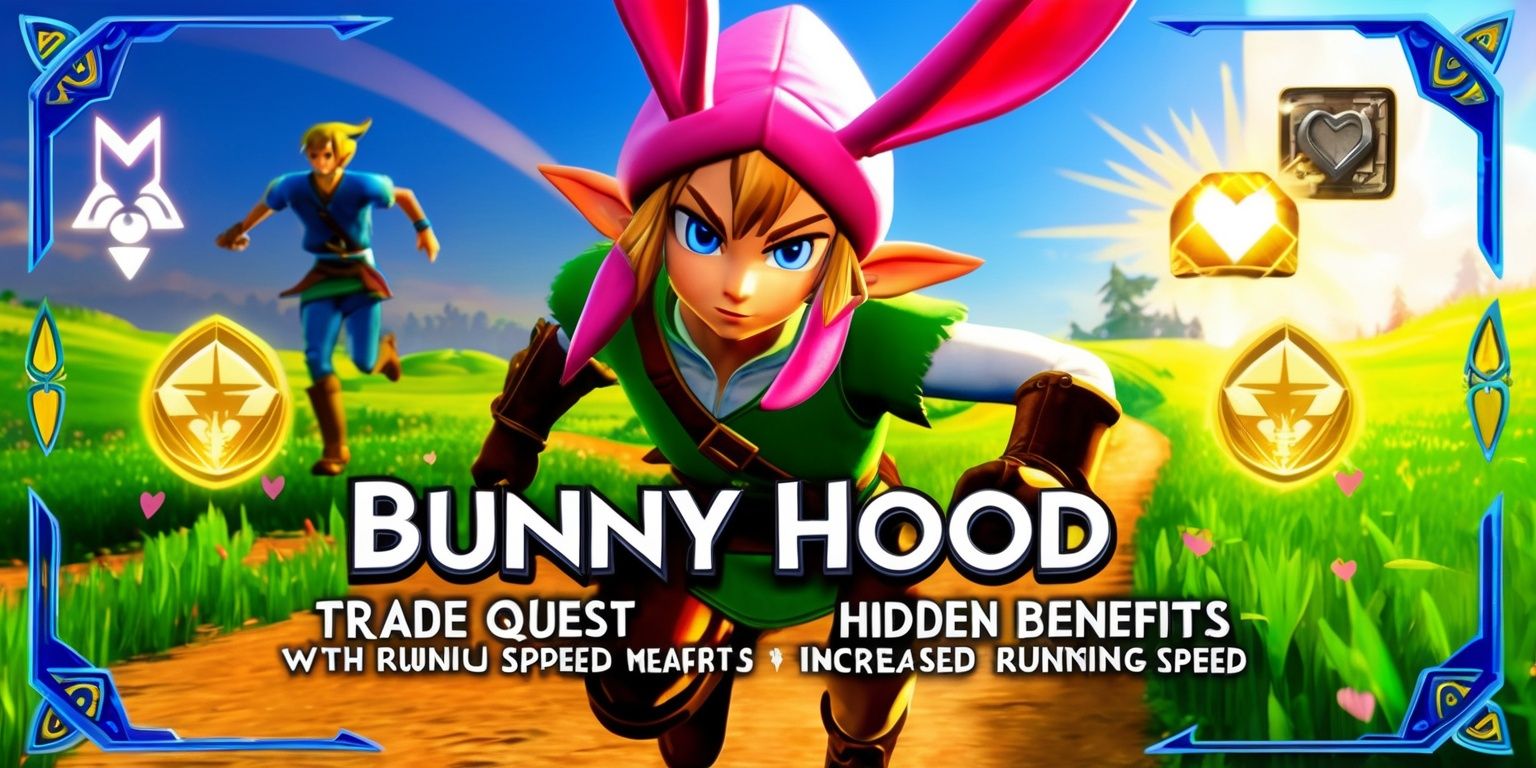
Bunny Hood in Ocarina of Time: Trade Quest, Hidden Benefits, and Running Man Rewards
In The Legend of Zelda: Ocarina of Time, the Bunny Hood stands out as one of those wonderfully unusual masks that feels playful at first glance but quietly opens the door to a handful of useful opportunities. It is not just a charming item to collect and move along in the mask trade; it also connects to a specific chain of progression, a memorable character, and a few practical benefits that can change how certain areas feel to explore. From trading requirements to hidden rewards, this item has a small but distinct role in the larger rhythm of the adventure, and knowing when and where to use it makes the whole process much more rewarding.
How the Mask Quest Sets the Stage
Before the Bunny Hood can even enter the picture, the mask quest at the Happy Mask Shop in Hyrule Castle Town needs to be underway. This is not an isolated errand but part of a broader progression system that encourages Link to move through Hyrule with purpose. The early masks act like steps in a longer chain, each one building toward access to more options at the shop. The Bunny Hood only appears after the Keaton Mask, Skull Mask, and Spooky Mask have all been sold to their intended recipients. Those masks go to different parts of the world, which means the quest naturally nudges players to explore villages, woods, and graveyard paths in a more deliberate way.
Unlocking the Bunny Hood at the Shop
Once the first three masks have found new owners, the Happy Mask Shopkeeper makes the Bunny Hood available as the next borrowed item. It costs 50 Rupees to take, which is a modest fee compared with the possible return on investment. This stage of the quest matters because the shop is less about simple buying and selling and more about trust, delivery, and reputation. Each completed exchange expands what Link can access next, and the Bunny Hood becomes part of that pattern. It is presented as a temporary item, but it comes with enough personality and practical value that many players remember it long after the transaction is complete. Its place in the shop inventory is earned rather than handed out.
The Buyer Hidden in Plain Sight
Finding the right person to buy the Bunny Hood is where the quest becomes more amusing. The prospective buyer is the Running Man in Hyrule Field, a character whose entire identity revolves around motion, distance, and relentless pace. Because Hyrule Field is broad and open, tracking him down can feel like a small pursuit in itself. During the day, he circles through a large area, making him harder to intercept. At night, however, he pauses now and then, which makes him easier to spot and approach. This mix of open-world wandering and character-specific behavior gives the sale a sense of timing and spontaneity that fits the item’s whimsical nature.
Story Progress That Must Happen First
There is one important condition that determines whether the sale can happen at all: Lord Jabu-Jabu’s Belly must already be completed during Link’s child timeline. Without that dungeon cleared, the Running Man is not yet ready for this particular encounter. This requirement turns the Bunny Hood trade into a late-child-era task rather than something that can be rushed immediately after acquiring the item. It also reinforces how Ocarina of Time layers side content into the main progression structure. The game often ties optional interactions to story advancement, so the Bunny Hood becomes a small reminder that the world changes when major milestones are cleared. Timing matters as much as location.
Preparing the Wallet for the Reward
Before meeting the buyer, it helps to manage money carefully. Since the Bunny Hood is purchased from the shop for 50 Rupees and later sold for a Gold Rupee, players gain a healthy profit, but only if they have room to hold it. That is why a Wallet upgrade is strongly recommended, or at the very least a nearly empty Kokiri Wallet. If the wallet is full, part of the reward gets wasted, which defeats the point of the exchange. This detail brings a useful, real-world dimension to the quest, making it feel less like a simple transaction and more like a planned financial move. The game gives an advantage to players who plan ahead and prepare their inventory before making the trip.
Why the Running Man Pays So Well
When Link wears the Bunny Hood and speaks to the Running Man, the response is immediate and enthusiastic. He is willing to buy the mask no matter the price, and in return he hands over a Gold Rupee, bringing the total to 200 Rupees. This creates a profit of 150 Rupees, which is a very strong gain for a side activity tied to a single item. The exchange feels fitting because the Running Man is not just any buyer; he is a character defined by urgency and athletic obsession, so a speed-themed mask naturally appeals to him. The transaction is also a neat example of how the game turns humor into mechanics, giving a personality-based reason for a valuable trade.
Returning the Debt and Advancing the Shop
Once the transaction has been finalized, the following step is to return to the Happy Mask Shopkeeper and repay the original 50 Rupees. This closes the loop on the Bunny Hood portion of the quest and formally completes the mask trade chain. The payoff is not only monetary, but also functional, since finishing this stage unlocks four additional masks for future use: the Mask of honesty, the Gerudo Mask, the Goron Mask, and the Zora Mask. Each one has its own identity and purpose, and the entire quest branch becomes more rewarding because the Bunny Hood helps open that next tier. The structure makes the player feel like they are progressing through an interconnected set of calls and returns rather than isolated errands.
Moving Through Hyrule with Less Nighttime Pressure
One highly useful application of the Bunny Hood is its effect on nighttime travel in Hyrule Field. With the hood equipped, Stalchilds will not spawn, which makes night exploration much calmer and easier to manage. That benefit can be especially welcome when moving across open terrain, where random encounters can interrupt a route or slow an errand. The hood does not transform combat or movement in a dramatic way, but it reduces a specific nuisance in a way that feels elegant and memorable. In a game where small efficiencies matter, this is the kind of item that quietly improves the experience rather than shouting for attention. It turns the open field into a more relaxed journey after dark.
The Forest Stage and the Secret Grotto Reward
Another use for the Bunny Hood appears in the Lost Woods at the Forest Stage, which is hidden inside a Secret Grotto in the meadow area not far from the entrance to Sacred Grove. Wearing the hood there can lead to random rewards from the Deku Scrubs, including Rupees. This interaction is less predictable than the Running Man sale, which gives it a playful sense of chance. Sometimes the Scrubs are generous, and other times they become irritated and answer with seed attacks before Link leaves. The unpredictability adds charm because the mask feels like it belongs in a space full of odd rules and secret outcomes. It gives the item a second life beyond the trade quest.
Adult Timeline Callback in Gerudo Valley
The Running Man returns in a different form during Link’s adult journey. Once the bridge in Gerudo Valley has been restored after rescuing all four Carpenters from Gerudo Fortress, he can be found inside the Carpenter’s Tent. This relocation ties him to a later stage of the adventure and keeps his fascination with speed intact. When Link talks to him there, he issues a race challenge, which maintains the character’s unusual obsession with swift movement. The payoff is not simply the reuse of an old face, but a continuation of a very specific personality thread. The Bunny Hood therefore serves as a link between different periods of the game, connecting child-era trading with adult-era competition.
The Mask’s Place in Exploration and Atmosphere
Beyond its specific effects, the Bunny Hood contributes to the feel of the world itself. Its design is lighthearted and somewhat eccentric, which matches the tone of many secret discoveries in Ocarina of Time. It is the kind of item that makes side content feel alive, because it is attached to a memorable interaction rather than a plain stat increase. The hood also encourages curiosity: where did it come from, who wants it, and what else might it affect? That sense of curiosity keeps the item relevant even after the profitable sale. In a game filled with dungeons and major story beats, the Bunny Hood offers a smaller but still distinct kind of satisfaction through movement, timing, and hidden behavior.
Useful Routes, Timing, and Quest Flow
Knowing when to pursue the Bunny Hood can make the whole process smoother. Since the Running Man is easier to approach at night in Hyrule Field, that timing can save patience. Since the sale depends on Lord Jabu-Jabu’s Belly being cleared, the item naturally fits after that story milestone. Since the wallet needs room, preparation matters before leaving town. Each of these details shapes the route around the mask rather than treating it as a standalone object. What makes the Bunny Hood appealing is that it touches several systems at once: trading, exploration, money management, and special NPC behavior. It is a small item, but it sits at the intersection of some of the game’s most enjoyable side mechanics.
Leave a comment
Your comment is awaiting moderation. We save your draft here
0 Comments