- Ryan Gutierrez
- 23 Oct 2026
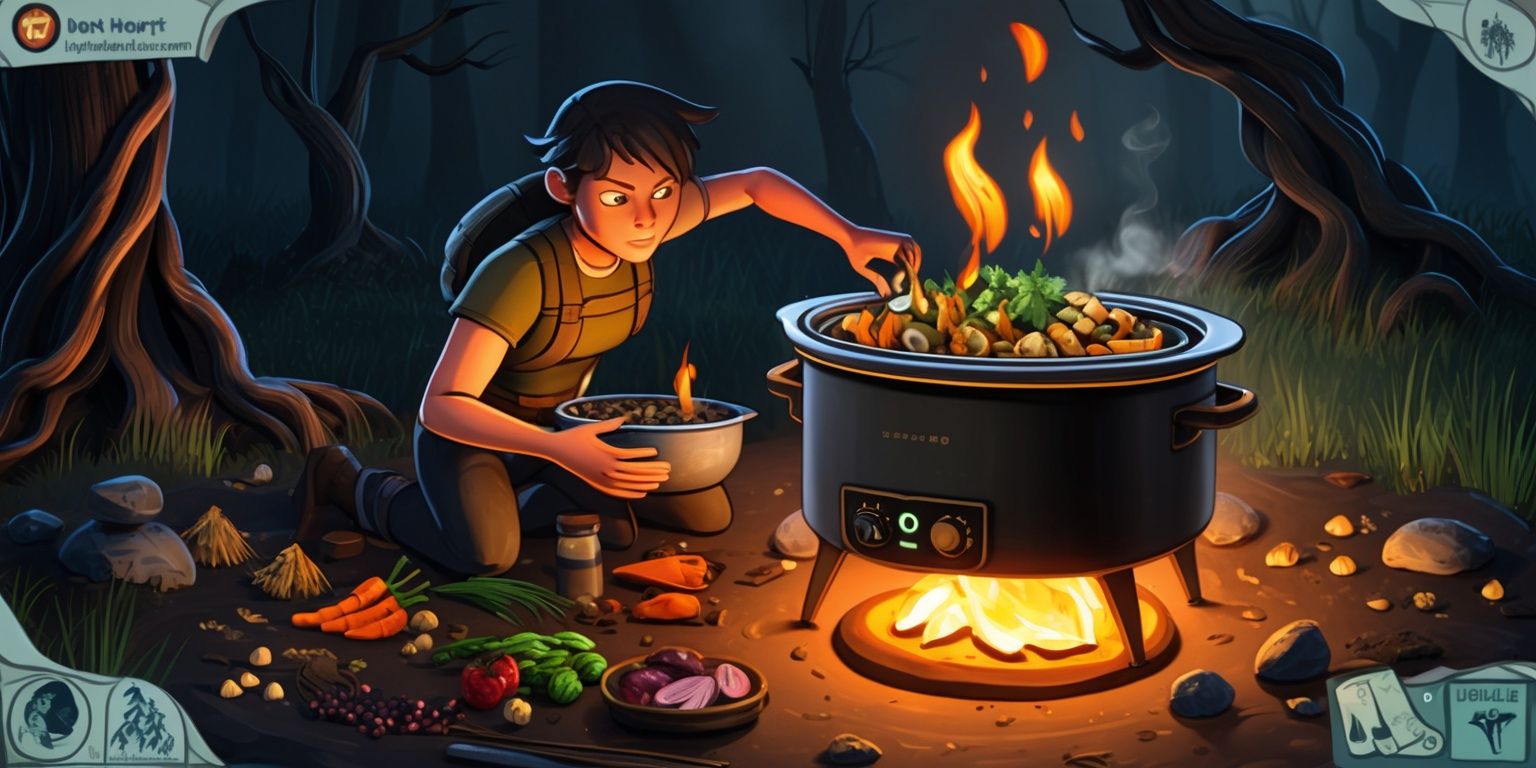
Culinary Alchemy on the Edge: Mastering Survival with the Crock Pot in Don't Starve Together Mobile
Within the vibrant realm of Don't Starve Together on… mobile introduces a captivating twist on survival through culinary creativity. Players quickly realize that mastering the art of cooking is as critical as foraging or combat. At the heart of these culinary endeavors is the Crock Pot, a multifunctional tool designed to transform raw ingredients into nourishing meals that can restore hunger, health, and sanity. The game demands constant adaptation to various situations, and an in-depth understanding of the Crock Pot recipes elevates gameplay by infusing strategic resource management and timely decision-making into everyday survival scenarios. Every ingredient has its significance, and the mixture inside the Crock Pot can either amplify or undermine a player's efficiency in the long run.
Culinary Engine as a Gameplay Mechanic
The Crock Pot functions as a culinary engine in Don't Starve Together mobile, bridging the gap between scavenged resources and vital replenishment items. In busy base locations where safety is paramount, players assemble this essential contraption alongside a robust fire pit, creating a central hub of activity. The device’s ability to incorporate up to four items brings a flexible and dynamic element to the gameplay. Each combination, whether it results in Bacon and Eggs for a balanced meal or Meatballs aimed at a swift hunger boost, directly influences the survival of the character. Employing the Crock Pot effectively requires understanding its core function: transforming low-quality ingredients into high-quality dishes. This shift not only affects immediate stats but often establishes long-term advantages in resource-rich scenarios and emergencies alike.
Ingredient Nuances and Their Strategic Value
A key factor in maximizing the Crock Pot’s potential lies in the careful selection of ingredients, where even minor components play a substantial role. Quality matters significantly: using ingredients that might seem subpar when raw can yield surprisingly beneficial results once amalgamated with the correct fillers. For example, a dish comprised of three carrots and a measured portion of meat unexpectedly offers a lower net benefit than using those components separately. The precision in balancing vegetables, proteins, and fillers turns each recipe into a calculated act of resource management. Players are encouraged to experiment, exploring recipes like Banana Shake or Fancy Spiralled Tubers while paying attention to the particular stat contributions—hunger, health, and sanity—that each ingredient delivers. Such meticulous inventory decisions underscore how intertwined culinary expertise is with overall survival strategy.
Variety of Recipes: Catering to Different Survival Needs
The expansive list of Crock Pot recipes Within the game, it serves as compelling proof of the diversity of challenges players face. Each recipe not only offers a unique amalgamation of ingredients but also targets specific needs, be it a quick hunger restore, boosting health, or preventing sanity loss. Favorites such as Bacon and Eggs have a distinct advantage for characters like Wilson, who benefit from extended shelf-life and balanced benefits. Alternatively, dishes like Meatballs and Meaty Stew present accessible hunger management solutions that can be life-saving in moments of crisis. Unique recipes, such as the Tall Scotch Eggs with impressive stat boosts or the complex composition of the Milkmade Hat, highlight the game's layered approach to cooking. The variety encourages players to experiment, adapt, and ultimately refine their cooking techniques to navigate through unpredictable game conditions.
Strategic Base Setup and Device Location
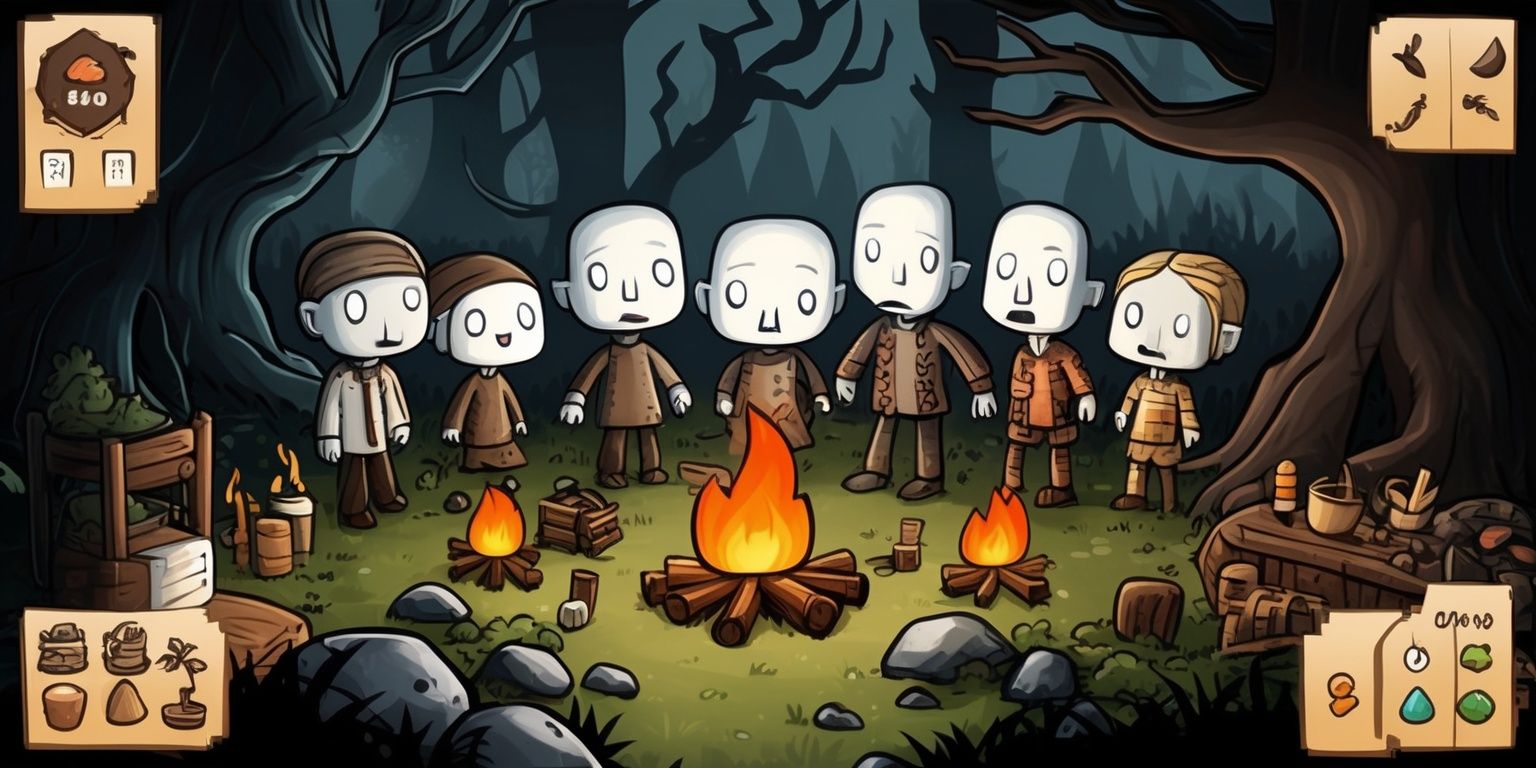
Beyond the mixing and matching of ingredients, the placement of the Crock Pot within a player’s base carries its own strategic weight. Most players opt to position the Crock Pot close to the fire pit to minimize travel time during emergencies and maximize the efficiency of their base. This practical arrangement facilitates quick transitions between cooking and other survival tasks. In essence, this central hub becomes the nexus of resource conversion, where ingredients that might otherwise remain idle are quickly transformed into essential survival items. The thoughtful design of the base, coupled with the effective positioning of the Crock Pot, is crucial as it reduces downtime and ensures that players can always respond promptly to hunger pangs or health deficiencies. The location itself becomes a strategic asset that complements the active use of the cooking device.
Tactical Trade-Offs Between Raw and Cooked Provisions
While the option to cook food using the Crock Pot provides significant enhancements to stat restoration, the decision to process raw ingredients is not without its tactical trade-offs. Cooking generally amplifies the utility of impure or toxic ingredients when properly balanced with fillers, yet some recipes offer no synergistic improvement over their individual components. For instance, while Meatballs serve as a convenient alternative to wild foraging, they sometimes deliver lower overall returns than the sum of their parts if the ingredients are of superior quality individually. This creates an interesting dynamic where each culinary choice should be evaluated in terms of the expected benefits of preserving certain raw ingredients for direct consumption. The interplay between immediate consumption and strategic cooking introduces layers of decision-making, forcing players to continuously evaluate the optimal use of limited resources during their adventures.
Experience-Driven Culinary Evolution and Experimentation
Players encounter an evolving culinary journey as they familiarize themselves with various recipe combinations while progressing through the game. Initially, crafting recipes like Bacon and Eggs or Banana Pop serves as an introduction to the more complex mechanics of ingredient interaction. Over time, as players venture deeper into the game world and encounter rarer ingredients, their approach to cooking transforms into a sophisticated art form. The interplay between raw materials, fillers, and exclusive items is constantly being redefined through experimentation. For characters such as Warly or Wigfrid, exclusive recipes further add uniqueness to the cooking experience by introducing bonuses like extended warmth or enhanced satiety. This adaptive progression ensures that each culinary decision is both a learning opportunity and a strategic move, reinforcing the idea that mastery over the Crock Pot requires not only knowledge but creative exploration.
Mobile Interface and User-Centric Design
The adaptation of Don't Starve Together to mobile platforms calls for a refined interface design that seamlessly incorporates complex cooking systems into a compact screen. The Crock Pot’s functionality is meticulously integrated within the mobile environment, offering intuitive controls and user-friendly layouts to ensure that players have quick access to their recipes. Visual cues and easy-to-navigate menus facilitate the process of selecting ingredients, and clear stat bars provide immediate feedback on the performance of each dish. This design focus ensures that even when fast decision-making is required, the interface does not distract or overly complicate gameplay. The mobile The adaptation preserves the original's intricate strategic nuances game while making the experience accessible, ultimately demonstrating a meticulously engineered fusion of functionality and aesthetic appeal.
Visual Aesthetics and Thematic Consistency
The artistic presentation of the Crock Pot and Its nearby surroundings are instrumental in enhancing the overall experience gaming experience. The design language of Don't Starve Together mobile is rooted in a dark, whimsical aesthetic that complements the grim survival scenario. The Crock Pot itself is rendered with charming, rustic details that blend seamlessly into the game’s atmospheric settings. Subtle background animations and color palettes evoke a sense of danger tempered with reliability, as players recognize that this device is a beacon of hope in a perilous world. The careful interplay between shadow and light accentuates the importance of cooking, adding emotional weight to each successful recipe and ensuring that the culinary aspect of the game feels both integral and engaging within the broader narrative.
Resource Management and Culinary Efficiency
Skilled management of resources forms the cornerstone of… survival in Don't Starve Together mobile, and the Crock Pot encourages players to rethink their approach to inventory and ingredient utilization. Every item gathered during expeditions—from everyday vegetables to rare monster meats—has the potential to be transformed into life-sustaining dishes. The strategic use of fillers further complicates this equation, creating layers of decision-making as players consider the optimal trade-offs between using ingredients raw or in a recipe. This resource management challenge is heightened by the varying spoilage times of dishes, prompting players to continuously plan for both immediate needs and future contingencies. The balancing act of maximizing stat restoration while minimizing waste is a recurring theme that reinforces the importance of culinary skill as much as survival acumen.
Specialized Recipes for Character-Specific Benefits
Part of the allure of the Crock Pot system in Don't Starve Together mobile lies in its tailored approach to different characters. Each recipe can offer unique advantages that align with a character’s inherent abilities and survival strategies. For instance, certain meals enhance warmth for characters prone to the cold, while others restore extra health or satiety to those who traverse more dangerous territories. Exclusive recipes for characters such as Warly infuse the culinary experience with character-specific bonuses and strategic nuances. By experimenting with combinations that cater to individual strengths—like dishes that prevent overheating or those with extended shelf lives—Players have the flexibility to calibrate their tactics to best align with the situation their chosen play style. This level of customization emphasizes that the culinary aspect of the game "does not conform to a universal model", but rather an adaptable system that rewards personalized strategy.
Nuances in Recipe Crafting and Experimentation
The intricate crafting system encourages players to delve into nuances that go beyond simple ingredient mixing. Many recipes offer hidden subtleties; for example, some dishes unexpectedly swap stat values, while others create unique effects such as temporary sensory boosts. The system’s complexity invites ongoing experimentation, where players are rewarded for exploring uncommon ingredient combinations that yield surprising benefits. Detailed recipes like the intricate Tall Scotch Eggs or the multifaceted Milkmade Hat illustrate how multiple variables, including spoilage time and specific ingredient interactions, can affect the final outcome. This deliberate complexity challenges players to think critically and develop a nuanced understanding of each ingredient’s potential. While trial and error play a significant role in mastering this system, the result is a rich tapestry of culinary innovation interwoven Within the context of the game’s overarching survival framework.
Dynamic In-Game Challenges and Culinary Adaptations
The ever-changing environment of Don't Starve Together mobile necessitates constant culinary adaptations to respond to new challenges. As players traverse varied biomes and face shifting seasonal conditions, their reliance on the Crock Pot and its recipes intensifies. Whether encountering harsh winters or dealing with nocturnal threats, the ability to whip up a resourceful meal in moments of dire need becomes a critical survival tactic. This dynamic game world propels players to continuously adjust their ingredient stocks and to select recipes that match the current challenges—prompting thoughtful resource conservation and forward planning. The intricate relationship between environmental conditions and the effectiveness of cooked meals further deepens the gameplay experience, ensuring that each cooking decision is part of a broader, ever-evolving survival strategy.
Leave a comment
Your comment is awaiting moderation. We save your draft here
0 Comments