
A Slow, Unforgiving Survival Experience That Earns Every Victory
After years of exploring survival games that soften consequences or rush players toward empowerment, Project Zomboid feels refreshingly uncompromising. This is a title that respects time, patience, and thoughtful decision-making. As an experienced gamer who has seen countless open-world survival concepts come and go, I consider Project Zomboid one of the most authentic and mentally engaging experiences the genre has produced.
Set in a quarantined region of Kentucky, the game does not frame you as a savior or a chosen hero. Instead, it presents survival as a temporary state, fragile and uncertain. From the moment you begin, the message is clear: longevity is earned, not granted. That philosophy permeates every system, every interaction, and every quiet failure.
Survival Built on Systems, Not Spectacle
Project Zomboid thrives on interconnected mechanics. Hunger, thirst, boredom, stress, exhaustion, injuries, and even minor infections influence how your character performs. Ignoring one element can compromise the rest, turning routine scavenging into a life-altering risk. Unlike many games that abstract survival into a few meters, this title demands attention to detail.
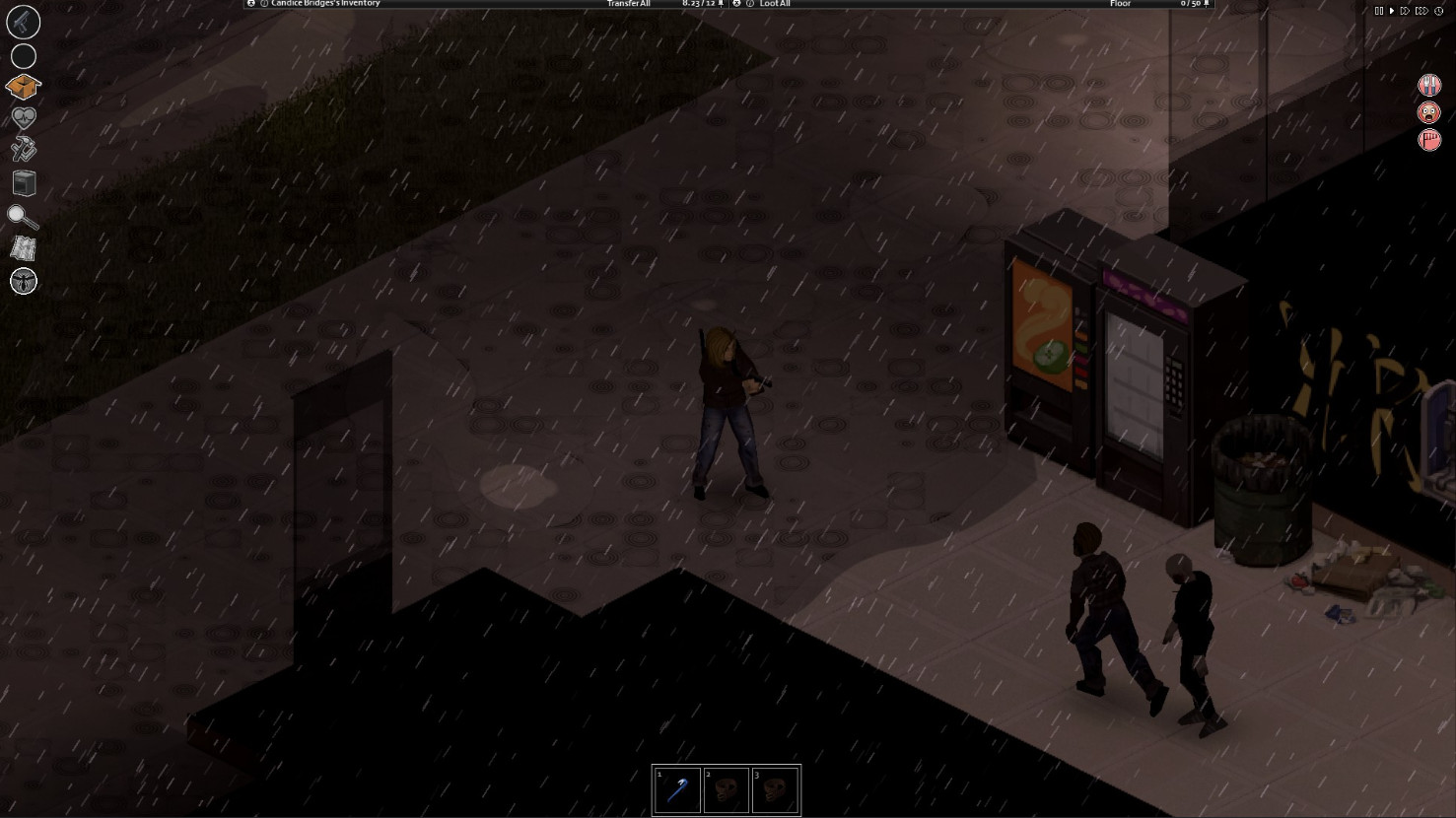
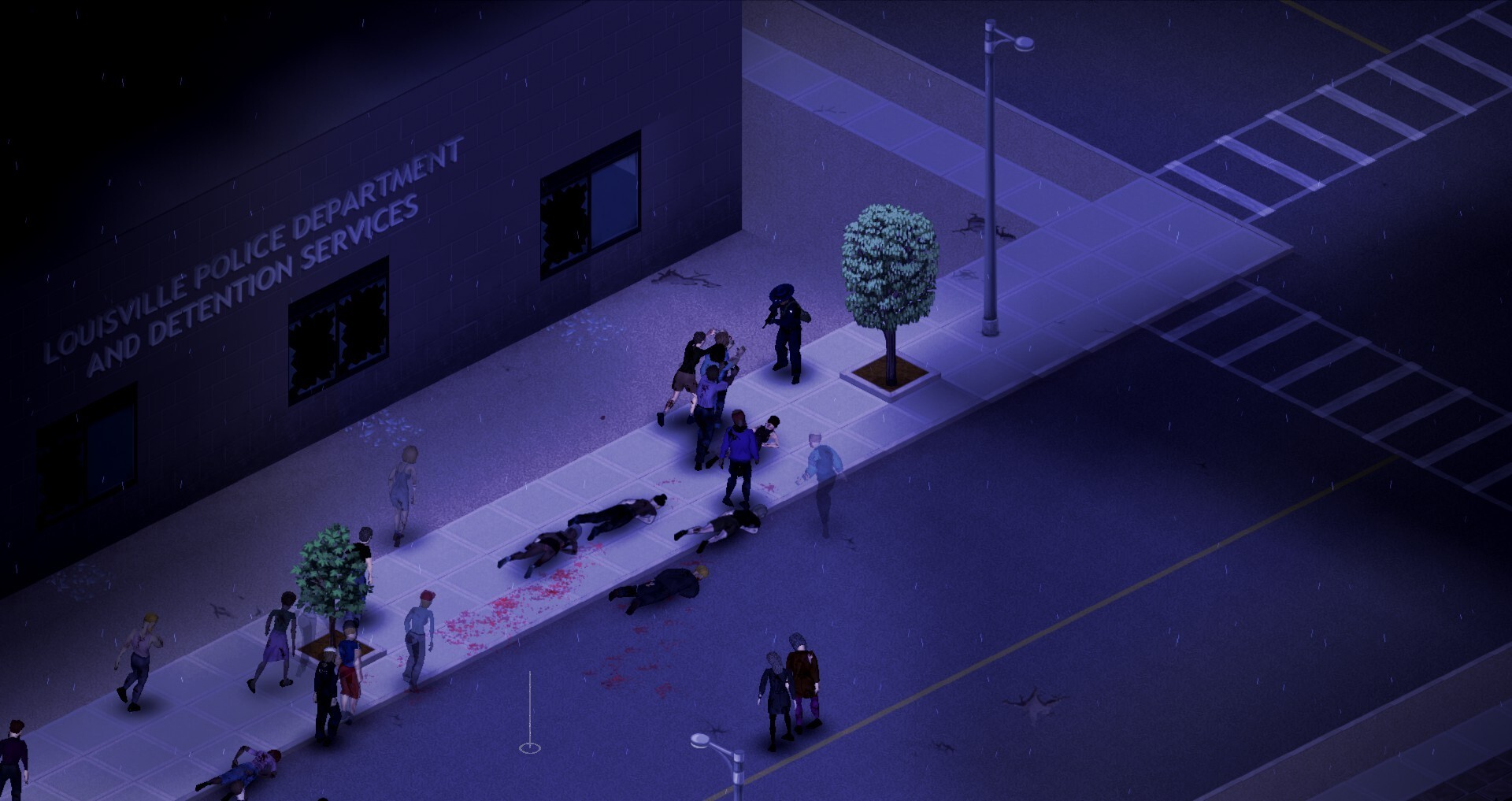
Combat exists, but it is intentionally awkward and risky. Facing multiple enemies without preparation is usually a poor decision. Movement speed, stamina management, and spatial awareness matter far more than aggression. This design encourages avoidance, planning, and improvisation, reinforcing the idea that survival is about restraint rather than dominance.
Character Identity and Progression
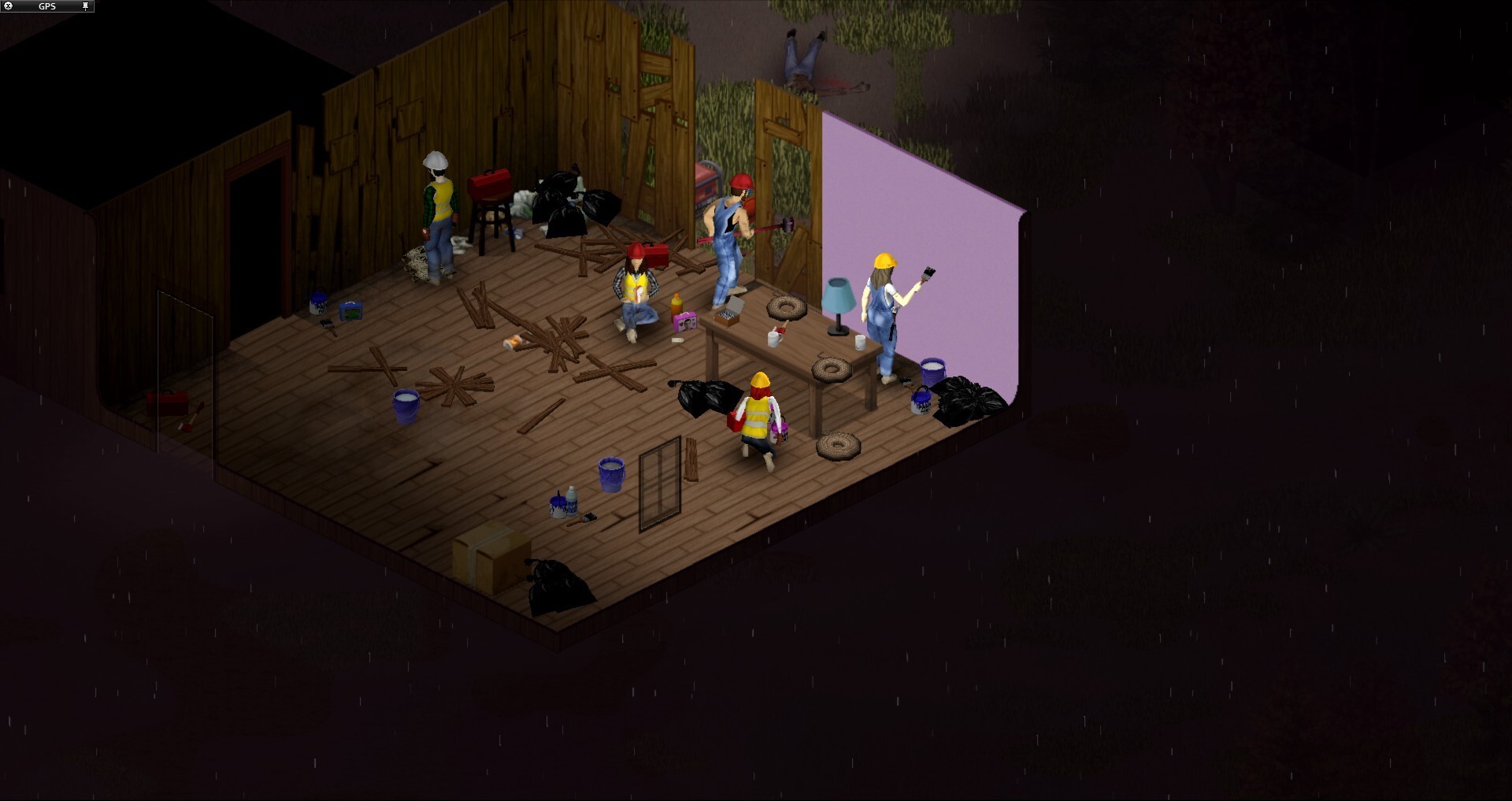
Before entering the world, players shape their survivor through professions and traits. These choices meaningfully affect early gameplay and long-term strategy. A carpenter approaches the apocalypse differently than a mechanic or a burglar. Negative traits add personality and challenge, ensuring no build is purely optimal.
Progression is deliberately slow. Skills improve through repetition and study, often requiring downtime to read manuals or practice safely. This pace enhances immersion and makes development feel organic. With the addition of mods, players can further refine progression, adjust difficulty, or introduce entirely new systems.
A World That Tells Stories Without Words
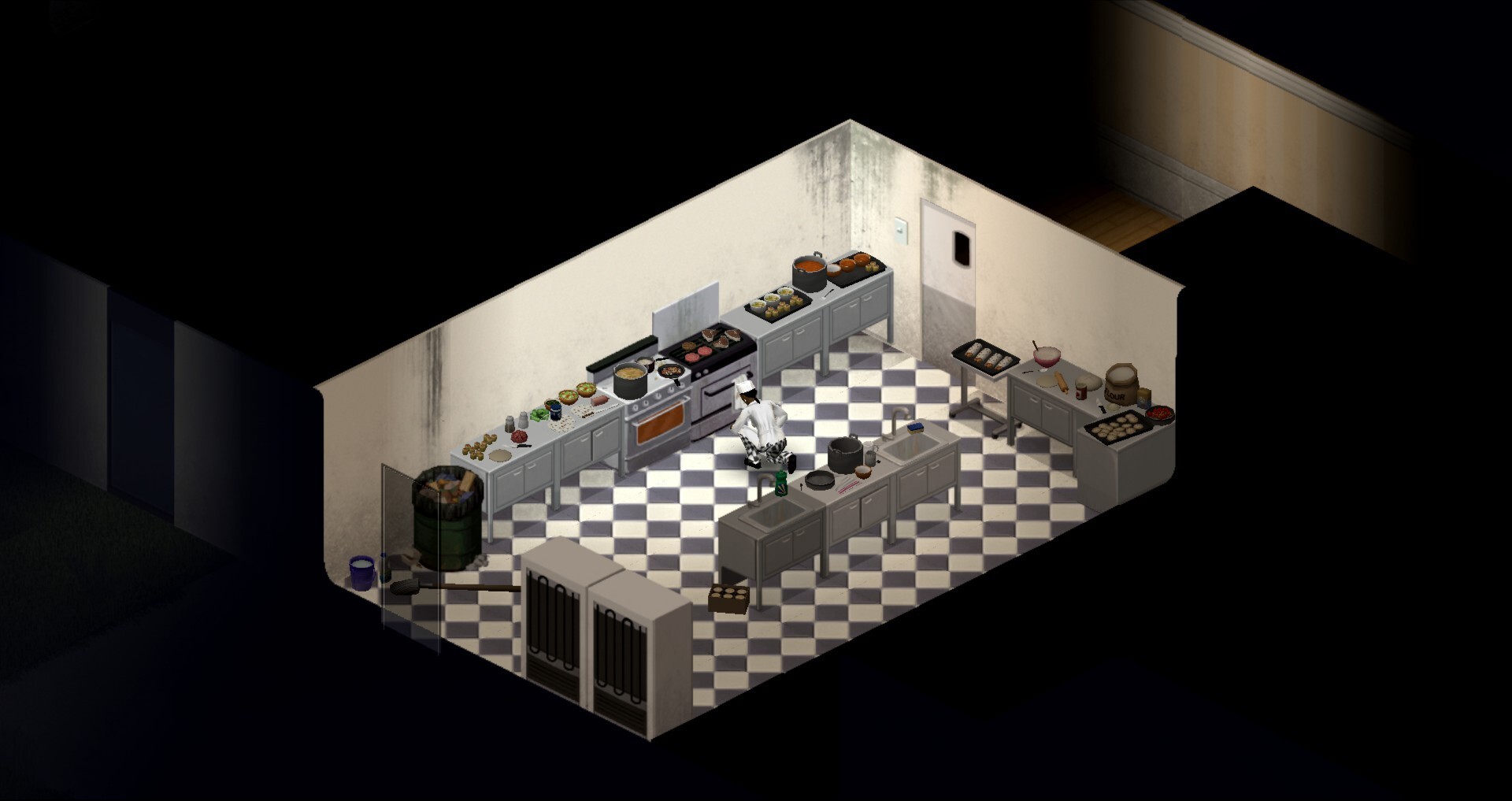
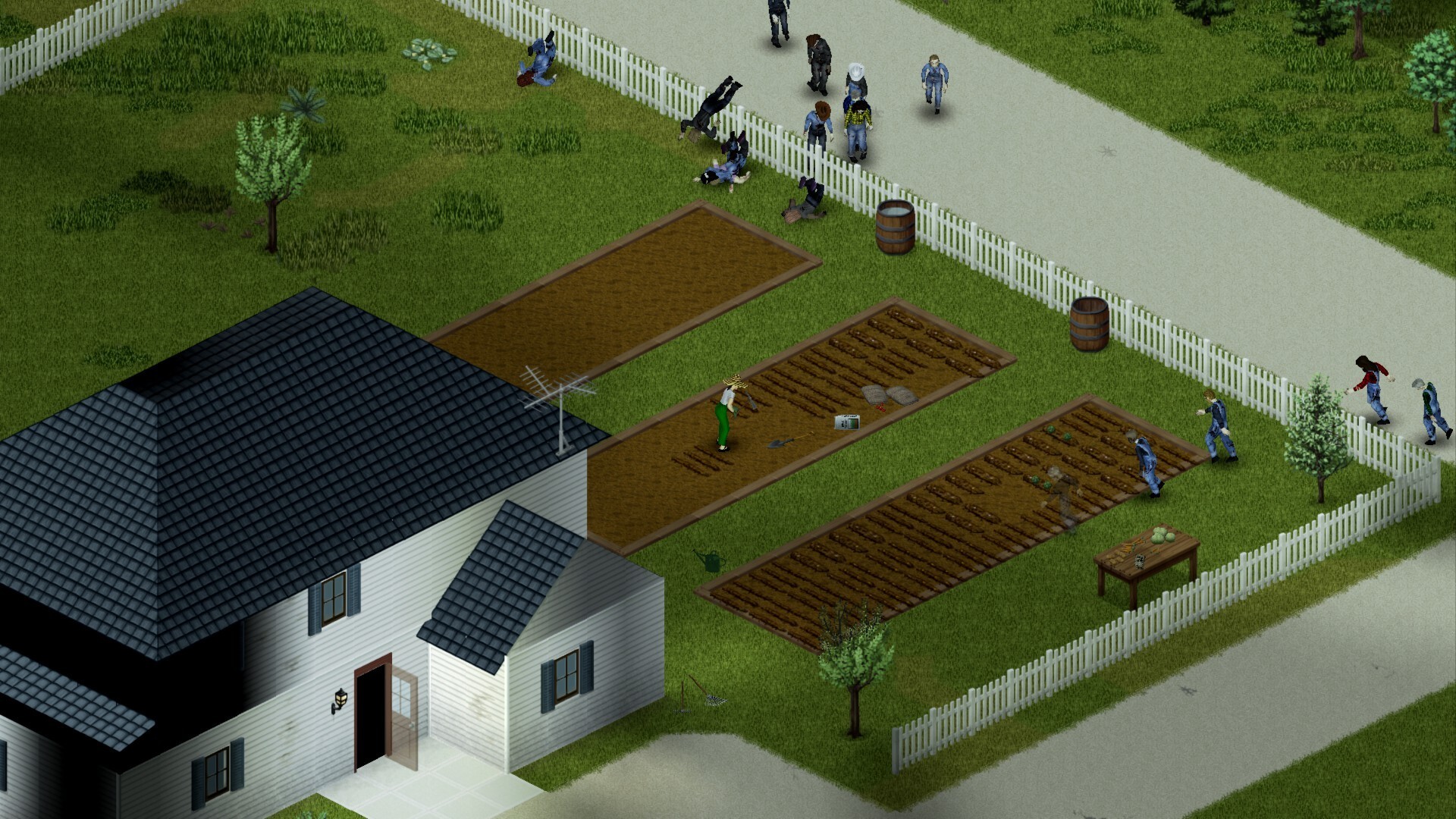
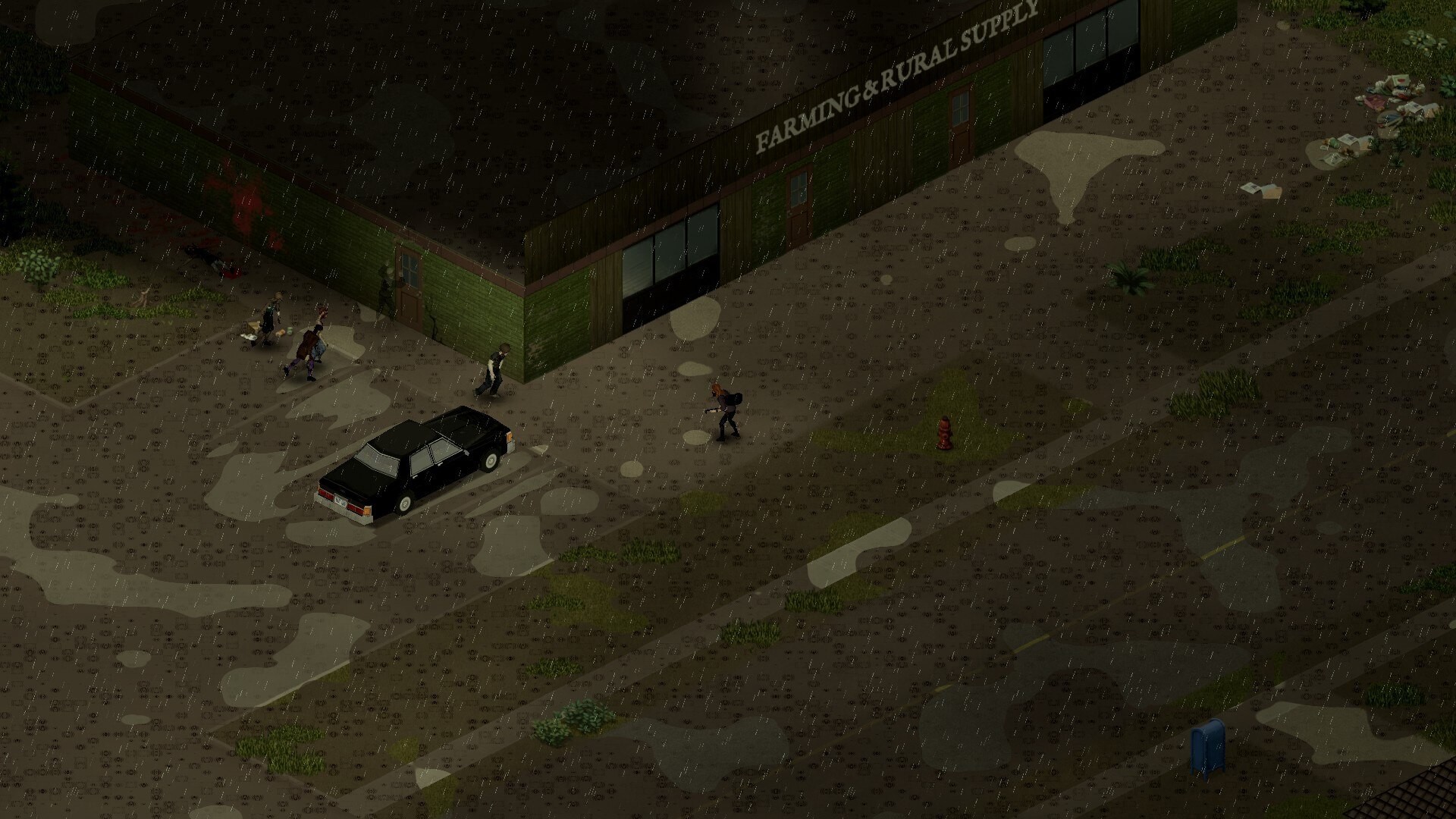
The isometric presentation allows Project Zomboid to convey a remarkable amount of detail. Every house, warehouse, and roadside location feels purposeful. Environmental storytelling replaces traditional quests, encouraging players to piece together what happened through scattered objects and abandoned spaces.
The map is massive and seamless, supporting extended play sessions and long-term survival goals. Vehicles add mobility but also introduce maintenance concerns. Weather patterns and seasonal shifts dramatically affect strategy. Winter, in particular, tests preparation, turning warmth and food storage into critical priorities.
Sound, Silence, and Tension
Audio design is subtle yet effective. Everyday sounds carry weight, from footsteps on broken glass to distant alarms echoing through neighborhoods. Music appears sparingly, allowing silence to build unease. This restraint keeps tension grounded and prevents fatigue during longer sessions.
Learning Through Failure
Project Zomboid offers minimal hand-holding. Tutorials exist, but true understanding comes from experimentation and loss. Early runs often end quickly, but each attempt teaches valuable lessons about timing, positioning, and preparation. This process transforms failure into a learning tool rather than a punishment.
Inventory management, crafting, and base-building require patience. Organizing supplies, reinforcing structures, and planning escape routes become habitual practices. Over time, players develop routines that feel personal and earned, reinforcing attachment to their survivor’s story.
Multiplayer and Community Creativity
While solo play delivers an intense, introspective experience, multiplayer introduces social complexity. Cooperative groups can divide labor, specialize roles, and establish long-term settlements. Player-run servers often implement custom rulesets, encouraging unique scenarios and social dynamics.
The community surrounding Project Zomboid is deeply invested. Developers maintain open communication and regularly update the game. The modding ecosystem is expansive, offering everything from minor quality-of-life improvements to complete overhauls. Some servers permit optional cheats for testing or roleplay, though most emphasize balance and immersion.
Technical Stability and Visual Identity
Project Zomboid prioritizes functionality over visual flair. Animations have improved significantly over time, especially with character movement and interactions. The isometric view enhances situational awareness while maintaining a consistent aesthetic.
Performance is generally reliable on supported platforms, though extensive mods or crowded servers can affect stability. The interface is information-dense, reflecting the game’s complexity. While initially intimidating, it becomes intuitive with familiarity.
Why Project Zomboid Endures
This is not a game designed for quick sessions or instant gratification. It appeals to players who enjoy systemic depth, emergent narratives, and meaningful consequences. If you value survival experiences where planning outweighs reflexes, Project Zomboid remains one of the most compelling titles to download, install, and play.
It is a game that grows with its audience, shaped by community feedback and creative mods. Long after many survival games fade, Project Zomboid continues to evolve, offering fresh challenges without abandoning its core philosophy.
How to download Project Zomboid
Project Zomboid can be accessed through major digital storefronts where it is available as a paid title rather than a free release. Players can download it directly after purchase, with automatic updates included.
Supported platforms include PC, Mac, and Linux. The game is not officially available on consoles or Android devices, though some players attempt to play through cloud services or emulators on unsupported platforms, which may require additional setup.
To install, complete the purchase, begin the download, and follow the standard installation process provided by the store. System requirements are modest: a dual-core processor, 8 GB of RAM, and basic GPU support for 2D graphics. Mobile systems are not officially supported.
Mods are widely available and encouraged within the community, while cheats are typically limited to sandbox options or administrative tools. Playing unblocked in restricted environments such as schools or workplaces is generally not feasible unless using personal devices or approved cloud-based solutions.
Pros
- A realistic sandbox zombie survival game
- Multiple gameplay mechanics for an immersive experience
- Extensive feature set and future expansion plans
Cons
- The learning curve may be steep for some players
- The absence of a tutorial may make initial playthroughs challenging
- The realistic survival elements may be too intense for casual gamers

Project Zomboid




New on Blog
-
- Ryan Gutierrez
- 09 Sep 2026

-
- Kayla Cruz
- 09 Sep 2026

-
- Ryan Gutierrez
- 09 Aug 2026

-
- Kayla Cruz
- 09 Aug 2026