- Ryan Gutierrez
- 23 Nov 2026
Nintendo Switch Sports Resort: A Joyful Island of Party Competitions
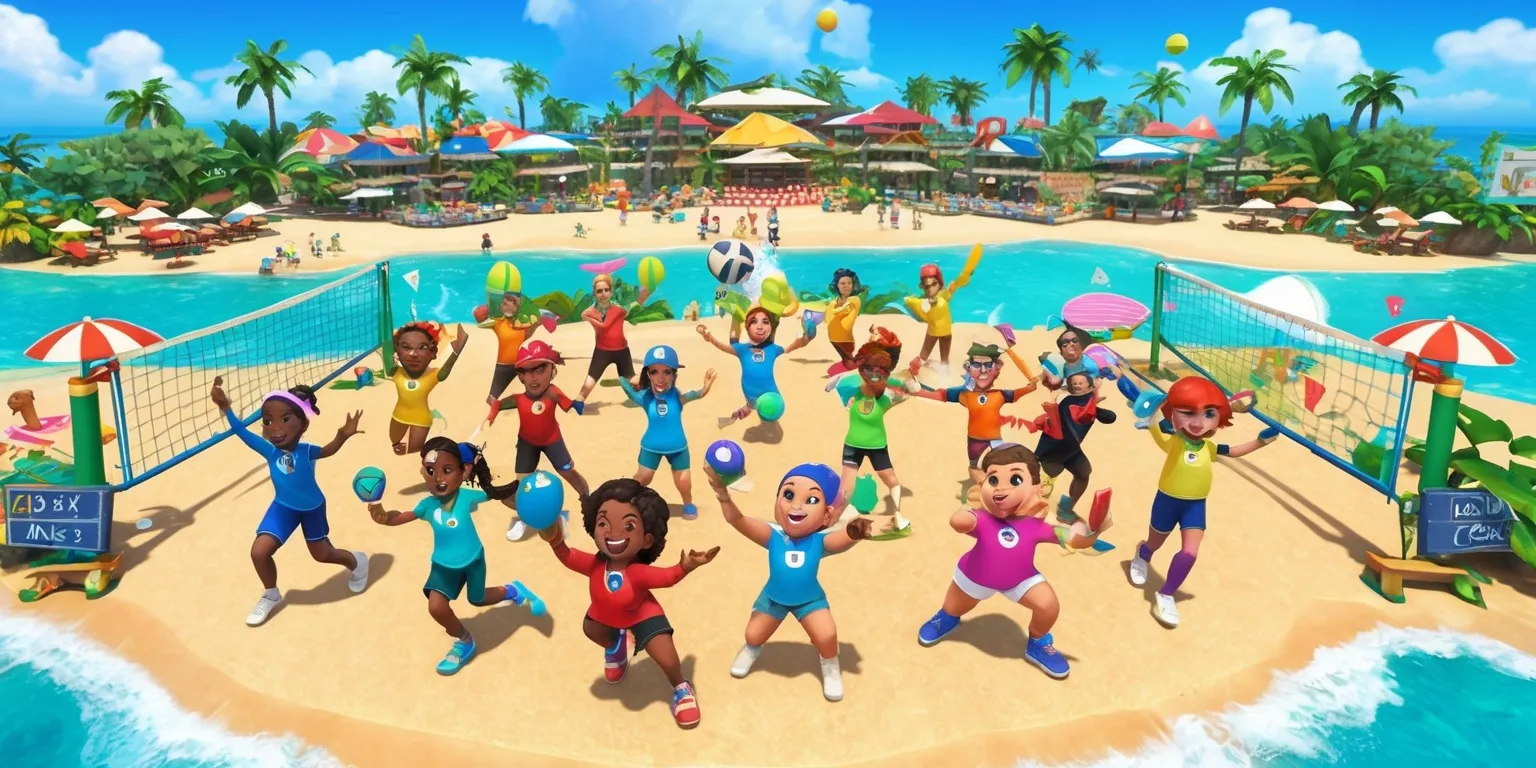
Nintendo Switch Sports Resort arrives with a familiar kind of energy, the sort that tries to bottle the easy laughter, quick reactions, and motion-controlled chaos that made Nintendo’s earlier sports collections such a household staple. Rather than aiming for tightly focused depth, it leans hard into quantity, offering a broad mix of activities, cosmetics, modes, and island distractions. That approach gives the game an immediate appeal in social settings, where every round can turn into a small event full of gestures, shouts, and friendly rivalry. At the same time, the experience can feel uneven when played alone, since some sports shine far brighter than others. The result is a lively package that succeeds most when treated as a gathering-point for friends, even if its many ideas do not always land with equal strength.
A Familiar Formula Rebuilt With Extra Pieces
The game clearly understands the basics of what made the Wii Sports era so memorable. Motion controls remain simple to understand, movement is easy to pick up, and each activity is designed to be playable within moments of starting. What changes here is the scale. Nintendo Switch Sports Resort expands the formula with more sports, more methods to gain rewards, plus additional reasons to revisit Wuhu Island. That abundance gives the game a broader identity, though not always a deeper one. Some players will appreciate the sheer number of things to try, while others may notice that a few activities feel more like complements than fully fleshed-out attractions. Even so, the broader selection helps the game stay lively during local gatherings.
Wuhu Island as a Living Playground
Among the most delightful elements of the package is the setting itself. Wuhu Island is not just a backdrop; it acts like a connected playground where sports, spectators, and sightseeing all overlap. Blimps drift overhead, speedboats race across the water, and distant corners of the island reveal little pockets of activity that make the world feel assembled rather than empty. This gives the game a more vivid sense of location than a simple menu-driven collection would have. Even when you are only there to compete in a quick match, the island stays present in the background, quietly shaping the mood. That matters because it helps each round feel situated inside a larger leisure destination instead of a disconnected minigame list.
Motion Controls That Invite Everyone In
The motion input design remains one of the game’s strongest tools. Nintendo has always known how to make controller gestures feel approachable, and this collection continues that tradition with a control style that rarely intimidates newcomers. Swinging, aiming, flicking, and tilting all map cleanly onto the on-screen actions, which means even first-time players can join without a long explanation. In a party environment, that ease is invaluable. The game asks for participation, not expertise, and it is often at its best when people are laughing through imperfect swings or learning the rhythm of a new sport in real time. The simplicity also keeps the pace brisk, allowing groups to shift swiftly from one task to another.
Archery as the Standout Challenge
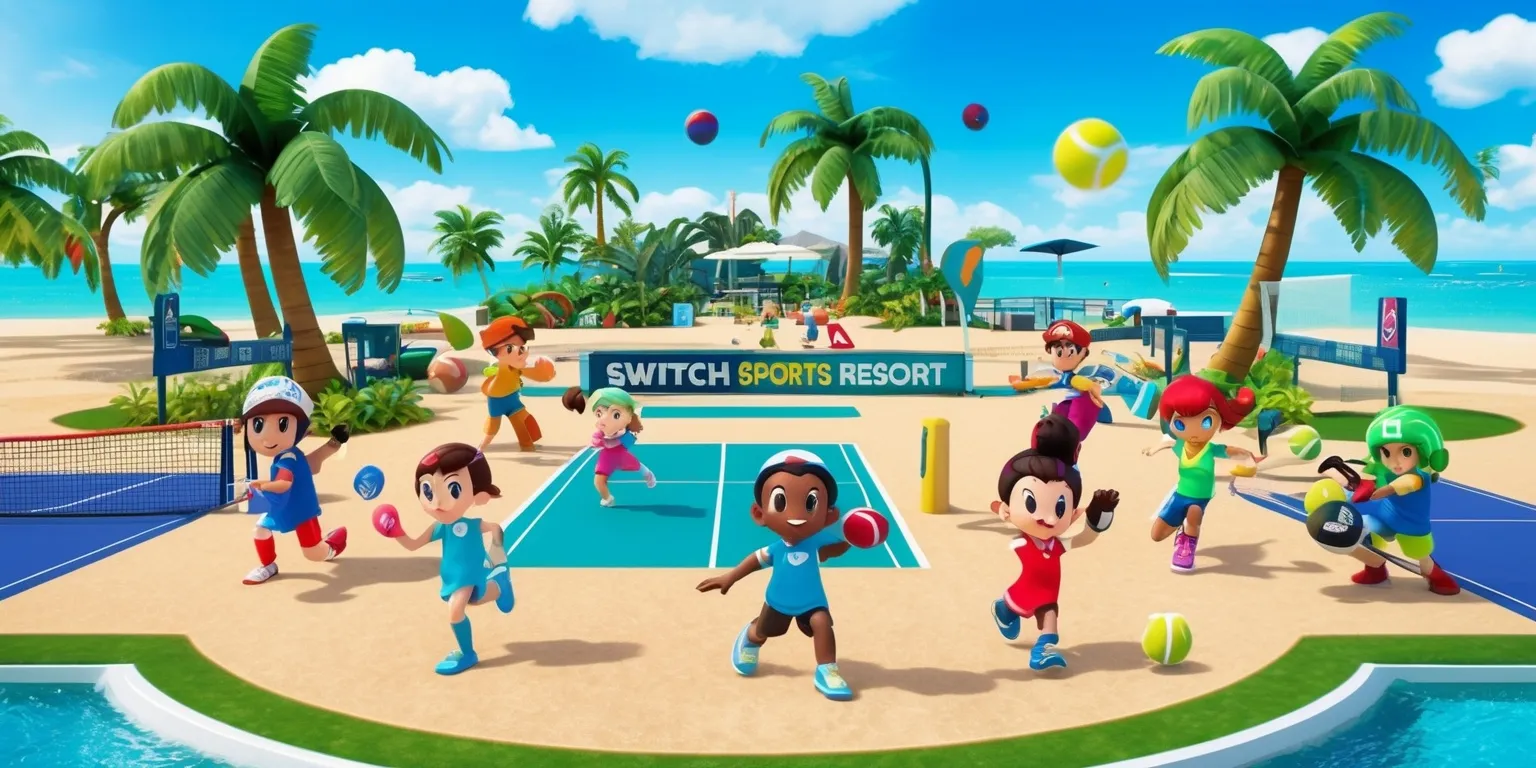
Among the available sports, Archery is the one that feels most carefully designed. The setup uses both Joy-Con in a way that feels physical and deliberate, with one hand steadying the aim while the other recreates the feel of drawing a bow. That small act of tension makes each shot feel satisfying, especially when a distant target is struck cleanly. The courses add variety through different layouts and hidden points to discover, giving the mode a stronger sense of progression than some of the thinner offerings. It benefits from repeated play because the challenge comes not only from accuracy, but also from learning each arena’s structure. As a result, it feels like one of the few sports that can support extended sessions without fading quickly.
Thumb Wrestling and the Joy of Silly Competition
Thumb Wrestling brings a very different kind of appeal. It is playful, absurd, and surprisingly strategic once players settle into it. What begins as a joke-like concept turns into a space for mind games, timing, and baiting opponents into exposing themselves. Online or in person, matches become more interesting as players start experimenting with deception, pressure, and reactions. That unpredictability gives the mode a spark that is often missing from simpler on-rails sports. It may not sound like the most serious attraction on paper, but it frequently becomes one of the most memorable because it mixes humor with genuine competitive tension. The result is a mode that feels lightweight at first glance and deceptively deep after a few rounds.
Power Cruising and the Limits of Gimmick Controls
Not every new idea lands as cleanly. Power Cruising asks players to hold the controllers like handlebars while steering a jet ski across the water, and the concept sounds more inviting than it often feels in practice. The motion scheme can be awkward, and that awkwardness interferes with the excitement the mode wants to create. Instead of feeling naturally fluid, it can come off as a novelty that struggles to justify its own mechanics. There is certainly charm in the attempt, and the aquatic setting suits the resort theme, but the controls can prevent the activity from reaching the same level of fun as the stronger sports. It is one of those ideas that looks promising from a distance but reveals its rough edges after repeated use.
Sports That Change the Mood of a Room
The most appealing aspect of the collection is the way it dramatically it can reshape a social space. Sports that seem modest in solo play often transform when people are watching and reacting together. Volleyball, for example, can feel subdued when played alone, but when there were many people in the room, it evolves into a lively exchange of anticipation, surprise, and celebration. Even Golf can become thrilling when each shot sparks commentary or disagreement over the best approach. The game benefits immensely from this kind of group energy, because the crowd becomes part of the experience. Cheers, groans, and playful arguments all amplify the action on-screen, making ordinary rounds feel bigger than their mechanics alone might suggest.
Menus, Match Flow, and a Fast Pace Between Events
The game also reveals issues in its pacing smart design. The menus are quick and responsive, which keeps groups from stalling after each match. Moving from one sport to another feels seamless, and that is important when the objective is to maintain momentum around a living room or game night setup. No one wants to wait through long transitions while the excitement fades, and the interface helps avoid that problem. Even outside of actual play, the menu presentation carries personality through its sound and rhythm. The audio has an infectious quality that lingers in your head, while the layout keeps the experience easy to navigate. It all supports the party-friendly nature of the game rather than interrupting it.
Local Play With Practical Struggles
Local multiplayer is clearly where the game wants to remain alive, though it also brings along certain practical complications. Certain sports require two Joy-Con per person, which can limit how many activities a group can enjoy if only the standard controller set is available. That restriction can be frustrating when everyone is gathered and eager to try everything. It does not break the experience entirely, but it creates an awkward barrier for mode variety. If a small group only has one pair of controllers on hand, some activities simply sit out of reach. In a game so focused on social access, that limitation stands out more than it otherwise might. It is the kind of detail that affects how easily the collection can fill an evening of casual play.
Island Crown and the Push for Structure
For players who spend time alone, Island Crown offers a bit more shape than a free-form sports list would otherwise provide. The mode pushes you through nine of the available sports with ranking goals and opponent encounters that give the experience a sense of forward motion. It is not a heavy narrative system, but it does provide a framework that keeps players engaged longer than a simple list of matches might. Occasionally the island champion or other challengers will present specific conditions, adding a thin thread of progression to the overall structure. Still, the mode is better at giving direction than at holding attention for long stretches. It helps, but it cannot fully replace the energy that comes from a lively room.
Special Variations That Add Spice Without Dominating
Several sports include altered versions that change the premises just enough to keep things from feeling identical every time. Bowling can introduce lane obstacles that force a different approach, and Archery can shift into a competitive format where multiple people aim for shared scoring space without overlapping too much. These twists are welcome because they encourage fresh decisions and slightly different rhythms. At the same time, they tend to act as short-lived diversions rather than major reinventions. They keep the broad package from becoming too predictable, but they do not usually transform a mode into something entirely new. Their main value is in giving repeat players an extra reason to stay within the same sport for another round or two.
Spocco Points and the Pull of Customization
The reward system feeds into the game’s personalization side, which is one of its more addictive features. Everything you do earns Spocco Points, and those points can be spent on rotating shop items that include outfits, face paint, titles, and other cosmetic additions. There is a clear incentive to keep playing because progress constantly feeds back into customization. The downside is the shop’s random structure, which means you cannot simply choose a specific item and buy it directly. That layer of chance sometimes makes the system seem more limiting than necessary. Even so, the accessories themselves are appealing, and the range of rewards helps keep the experience feeling active. New clothing pieces and themed gear give players more reasons to check what has unlocked next.
Sightseeing as a Breathing Space Between Matches
When the action starts to feel intense, Sightseeing Tour provides a quieter kind of engagement. The mode lets players travel around the island in a prop plane and search for marked locations, collectible cameras, and little details that reveal more about the space. It is a compact exploration activity, but one that gives the island a stronger identity. Rather than serving only as a sports venue, Wuhu becomes a place worth cruising through for its own sake. The short timer makes each outing feel focused, and the structure encourages curiosity without demanding a huge time commitment. It also helps the game avoid becoming nothing more than a sequence of isolated sports by tying the different activities into one broader environment.
Online Rooms and Remote Rivalries
The online side gives the game more mileage for players who cannot gather in the same room. Casual play uses lobbies that allow friends to meet up and engage with separate matches, and in some cases multiple groups can operate within the same lobby at once. That flexibility is useful for larger circles of players who want to stay connected without all sharing the same exact sport. The lack of spectator support is a disappointment, though, because watching other players compete would fit the spirit of the game very well. Even so, the online setup broadens the collection’s reach beyond the couch. It makes it easier to keep rivalries going across distance, especially when certain sports become personal favorites among a regular group.
Leave a comment
Your comment is awaiting moderation. We save your draft here
0 Comments